
Day Trips from Tokyo
Choose a Day Trip from Tokyo for when you have extra days to spend.
Day Trips from Tokyo
Choose a Day Trip from Tokyo for when you have extra days to spend.
Nikko: Ornate Shrines & Forested Sacred Sites (History + Traditional Culture)
Experience spiritual, atmospheric shrines, waterfall scenery, mountain spirituality, and Edo-period craftsmanship on this day trip.
Morning
Morning
-
Toshogu Shrine Complex - Travel from Tokyo (approx. 2 hours). Begin at Toshogu Shrine, the lavishly decorated mausoleum of Tokugawa Ieyasu. Observe intricate wood carvings, including the “Three Wise Monkeys” and the sleeping cat motif.
-
Walk through towering cedar avenues and moss-covered stone lanterns that create a powerful, sacred atmosphere. The blend of Shinto and Buddhist symbolism reflects Nikko’s historical religious fusion.
Afternoon
Afternoon
-
Rinno-ji & Futarasan Shrine + Shinkyo Bridge - Visit Rinno-ji Temple, founded in the 8th century, dedicated to mountain worship.
-
Continue to Futarasan Shrine, quieter and deeply tied to sacred Mount Nantai.
-
Walk to Shinkyo Bridge, a vivid vermilion structure spanning the Daiya River, once reserved for imperial and religious use.
-
Optional extension: Continue toward Kanmangafuchi Abyss, a peaceful riverside path lined with stone Jizo statues.
Evening
Evening
-
Return to Tokyo - Early evening return by train.
-
Optional dinner in Asakusa or Ueno to maintain a historic atmosphere.
Optional Extension (Time & Energy Dependent)
- Lake Chuzenji & Kegon Falls (nature-focused extension)
- Kanmangafuchi Abyss (quiet riverside walk)
Kawagoe: Little Edo & Traditional Snacks (Food Culture)
Experience preserved Edo-era streetscape, regional sweets, and nostalgic Japan.
Morning
Morning
-
Kurazukuri Warehouse District & Shrine - Kawagoe’s clay-walled kura warehouses line the streets in earthy browns and charcoal tones. The town retains an Edo-period rhythm; slower, intimate, textured.
-
Begin along Kurazukuri Street, lined with clay-walled warehouse buildings dating back to the Edo period. These fire-resistant storehouses once protected merchant goods and now house confectionery shops, craft stores, and small cafés.
-
Pause at the Toki no Kane (Bell of Time), Kawagoe’s historic time bell tower; a visual focal point and one of the town’s defining landmarks.
-
Walk to Kawagoe Hikawa Shrine, a serene shrine known for its seasonal displays and wind chime corridor in summer.
Afternoon
Food Exploration & Seasonal Atmosphere
Kawagoe is known for sweet potatoes, and nearly every variation exists here: crisp chips, soft-serve ice cream, glazed pastries, even sweet potato coffee. Sampling becomes a cultural exploration rather than just snacking.
Head to Candy Alley (Kashiya Yokocho), a narrow lane filled with traditional sweet shops.
Kawagoe is famous for sweet potatoes (imo), historically cultivated in the region. Try:
- Sweet potato soft serve
- Imo dorayaki
- Sweet potato chips
- Traditional rice crackers
- Soy-based sweets
-
Visit a small sake brewery or soy sauce producer to understand fermentation traditions central to Japanese cuisine. The experience is tactile - wood barrels, earthy aromas, subtle tastings.
-
Add a Kimono rental for warehouse district photos if desired.
Evening
Evening
Tea & Reflection - Before returning to Tokyo, pause in a converted warehouse café. Light filters through wooden beams; the atmosphere is contemplative and warm.
Tokyo: Anime / Manga / Gaming
Morning
Morning
-
Nakano Broadway - Begin at Nakano Broadway, a vertical collector’s paradise.
-
Explore vintage anime memorabilia, niche figurines, and rare manga editions. Observe the culture of collecting and fandom as ritualized practice.
Afternoon
Akihabara Deep Dive
-
Continue into Akihabara for arcades, themed cafés, and retro gaming floors.
-
Optional experiences: VR arcades, purikura booths, or speciality café interactions. The district’s layered neon, audio cues, and dense retail atmosphere highlight Tokyo’s urban subculture.
Evening
Evening
-
Kabukicho Night Walk - Conclude in Kabukicho, a neon-saturated entertainment area.
-
Explore retro pachinko halls, themed bars, and small arcades. This night exploration merges Tokyo’s pop culture energy with the spectacle of neon urban life.
Yokohama: Retro Futurism & Waterfront Glow
Experience historic port evolution, waterfront design, multicultural heritage, and a lively food scene.
Morning
Port Foundations & Waterfront Architecture
-
Begin at the interactive Cup Noodles Museum Yokohama, where design, pop culture, and nostalgia intersect. Creating your own ramen cup becomes an unexpectedly charming ritual.
-
Minato Mirai 21 - Head to Minato Mirai, Yokohama’s modern waterfront business district. Skyscrapers, parks, and design‑forward buildings contrast beautifully with the historic port area.
-
Optional: Yokohama Landmark Tower Sky Garden - For cityscapes and, on clear days, Fuji views, consider the observatory at Landmark Tower (NOTE: it may close temporarily for renovation after 2025).
-
Yokohama Red Brick Warehouse (Aka‑Renga) - Explore the Yokohama Red Brick Warehouse, a symbol of the port’s early 20th‑century trade legacy. These preserved custom houses now house boutiques, cafés, and seasonal events, making for a great lunch stop and photo opportunity.
-
Lunch Suggestions Nearby - Waterfront cafés or local eateries inside the warehouses (seafood, ramen, craft brews). Seasonal markets often provide local food stalls.
Afternoon
Multicultural Exploration
-
Yokohama Chinatown- Visit Yokohama Chinatown, Japan’s largest Chinatown. Red lanterns, ornate gates, and street food vendors create a vibrant culinary and cultural scene, perfect for tasting dim sum, buns, and regional specialities.
-
Yamashita Park & Hikawa Maru - Stroll waterfront paths at Yamashita Park, a historic public space built from post‑earthquake rubble with views of the harbor, monuments, and the iconic Hikawa Maru ocean liner.
-
Sankeien Garden (Optional, extends the day slightly) - For a peaceful contrast to the city centre, Sankeien Garden, a sprawling traditional Japanese landscape garden with historic buildings and seasonal beauty, is a top choice, especially in spring or autumn.
NOTE: Sankeien is farther from Minato Mirai/Chinatown; plan travel time accordingly if including it in the day.
Evening
Night Views & Return to Tokyo
Sunset & Skyline Views - Return toward Minato Mirai or Red Brick Warehouse waterfront for sunset views over the bay.
Dinner Recommendation (if staying slightly later) - Try casual izakaya, seafood izakaya, or Chinese cuisine back in Yokohama Chinatown or near the stations before the return train to Tokyo.
Kamakura & Enoshima: Nature, Gardens & Seasonal Highlights
Offers a nature-focused contrast to urban Tokyo, emphasizing serene gardens, riversides, and seasonal flora. Distinct from Kamakura’s temple- and history-focused trip, this itinerary is built around landscape, horticulture, and tranquil escapes.
Morning
-
Hama Rikyu Gardens & Tokyo Bay View - Edo-period gardens, tidal pond, historic teahouse.
-
Begin at Hama Rikyu Gardens, a former feudal garden juxtaposed against the modern skyline. Stroll the tidal pond paths and stop at the teahouse for matcha or seasonal tea. Observe traditional landscaping techniques: layered plantings, stone arrangements, and seasonal flower beds.
-
Optional: Take a short riverboat ride connecting Hama Rikyu to nearby piers for a scenic Tokyo Bay approach.
-
Kiyosumi Gardens & Riverside Walks - Continue to Kiyosumi Gardens, known for its rock arrangements, pond-side pathways, and seasonal flora.
-
Optional: Tea or light snack at a small café nearby.
Afternoon
-
Odaiba Waterfront & Parks - Cruise or walk along Odaiba, Tokyo’s man-made waterfront. Explore parks, promenades, and modern art installations.
-
Optional visit: interactive exhibitions at Miraikan (National Museum of Emerging Science and Innovation).
-
Optional lunch at a waterfront café or food court with seasonal ingredients.
Evening
Seasonal or Panoramic Views
-
Return toward central Tokyo via river cruise or train.
-
Optional stop: Tokyo Tower or rooftop observation deck for sunset or evening cityscape.
-
Dine at a local restaurant near your hotel, or continue exploring waterfront dining.
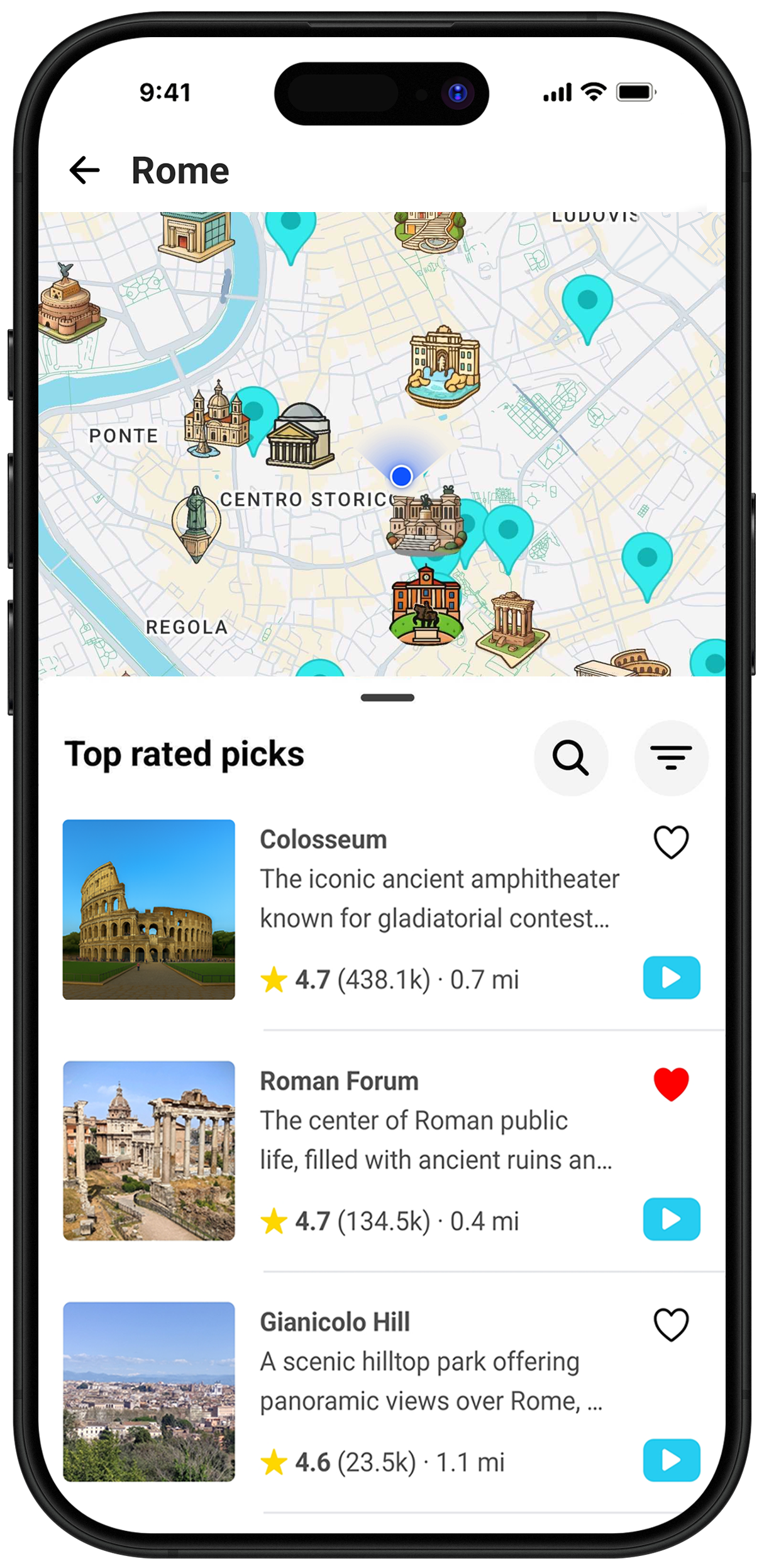
Make the most of your trip with the Travi App
Audio Guides
Professional narrated stories that you can listen to on your own schedule.
Snap & Learn
Point your camera at any monument to instantly identify it and hear its history.
Itineraries
Browse curated day-by-day plans, customize them to fit your style, or build your own from scratch and share with friends.