
7 Days in Tokyo
7 Days in Tokyo
Day 1: Imperial Origins & Asakusa Traditions
This seven-day itinerary blends Tokyo’s essential landmarks with deeper explorations of neighborhoods, culture, and themed experiences. Mornings balance history and tradition, afternoons highlight local streets and subcultures, and evenings showcase modern skylines, dining, and nightlife. Optional day trips to Hakone, Kawaguchiko, Nikko, or Kamakura provide natural beauty, spiritual heritage, and historical depth, letting travellers experience both Tokyo’s urban energy and Japan’s surrounding landscapes.
Morning
-
Tokyo Imperial Palace - Begin at the primary residence of Japan’s Emperor. Walk through the Outer Gardens and, if open, the East Gardens, where moats, stone walls, and the iconic Nijubashi Bridge frame the political and symbolic heart of modern Japan. This serene space introduces Tokyo’s transformation from Edo-period stronghold to contemporary capital.
-
Tsukiji Outer Market - While the wholesale tuna auctions moved to Toyosu, Tsukiji remains one of Tokyo’s most vibrant culinary districts. Narrow lanes are lined with knife shops, dried seafood vendors, tamagoyaki stalls, and small sushi counters.
(NOTE: if wanting to beat crowds or have an early breakfast, start at the market, then move on to the Imperial Palace.)
Afternoon
-
Asakusa - home to Senso-ji Temple, Tokyo’s oldest Buddhist temple. Enter through Kaminarimon Gate and stroll along Nakamise Street, where traditional sweets, paper fans, and local crafts have been sold for generations.
-
Observe incense rituals and temple customs before wandering toward the Sumida River for a quieter waterside walk.
Evening
-
Ascend Tokyo Skytree for panoramic views as the city shifts from daylight to neon glow. The layered skyline offers a perspective on the immense scale of the metropolis.
-
Dine in Asakusa or nearby Sumida for a traditional close to the day.
Leisurely & Active Pace Options
If you’d like a more leisurely pace, consider focusing on the East Gardens, skip the optional tea ceremony, taking extra time in Nakamise Street, or enjoy a gentle Sumida River stroll.
If you’d like a more active pace, consider adding the Marunouchi walking loop, short photo stops at multiple palace gates, a full tea ceremony experience or climb Tokyo Skytree early to beat crowds.
Day 2: Sacred Forests, Youth Culture & Neon Energy
Morning
- Visit Meiji Jingu Shrine, hidden within a forested enclave in Harajuku. Gravel paths, towering torii gates, and ritual purification fountains provide a tranquil counterpoint to the city beyond. The shrine reflects Shinto traditions and national identity.
Afternoon
-
Step into Harajuku’s Takeshita Street, a concentrated hub of youth fashion, pop aesthetics, and street culture. Continue to Omotesando, where contemporary architecture and flagship boutiques line a tree-shaded boulevard.
-
Move onward to Shibuya Crossing, one of the busiest pedestrian intersections in the world. Observe the organized chaos from street level or an elevated café. Stroll through Shibuya’s surrounding streets to experience Tokyo’s pulse at full volume.
Evening
- Head to Shinjuku. Explore Omoide Yokocho’s narrow alleyways filled with lantern-lit eateries before observing Kabukicho’s illuminated entertainment district. The contrast between intimacy and spectacle defines modern Tokyo nightlife.
Leisurely & Active Pacing Options
If you’d like a more leisurely pace, consider visiting the Meiji Shrine main path only, slow walk along Cat Street, skipping Harajuku side alleys, or a light pace Shibuya exploration from above.
If you’d like a more active pace, consider exploring inner garden of Meiji Shrine, Takeshita Street in full, visiting Omotesando flagship stores, a full Shibuya Sky rooftop visit or an optional Taiko workshop.
Day 3: Museums, Old Town & Subculture Capital
Morning
-
Begin in Ueno Park, a cultural district housing some of Japan’s most significant museums.
-
Choose between the Tokyo National Museum for classical art and samurai heritage, or the National Museum of Nature and Science for technological and scientific exploration.
Afternoon
-
Walk through Yanaka Ginza, one of the few neighborhoods that retains a nostalgic, old-Tokyo atmosphere. Wooden storefronts and local snack shops provide a glimpse into everyday life beyond major commercial centers.
-
Continue to Akihabara, Tokyo’s electronics and anime epicenter. Multi-story arcades, manga shops, gaming floors, and capsule toy machines create a vivid display of otaku subculture and consumer technology.
Evening
Conclude at teamLab’s immersive digital art museum, where light, projection, and movement dissolve the boundary between viewer and installation. The experience reflects Tokyo’s embrace of futuristic aesthetics.
Leisurely & Active Pacing Options
If you’d like a more leisurely pace, consider a stroll through Ueno Park and Shinobazu Pond, browse Yanaka Ginza, an optional small-scale calligraphy or woodblock experience, or relax at Ginza cafés.
If you’d like a more active pace, consider a full Tokyo National Museum tour, hands-on calligraphy or woodblock printing, a deep Akihabara exploration with multi-level arcades or a short Kabukiza performance.
Day 4: Neighborhood Depth (Yanaka / Daikanyama / Kagurazaka)
A slower, more immersive exploration focused on one area of Tokyo. Choose one neighbourhood and experience it beyond surface-level highlights.
-
Option A: Yanaka & Ueno – Old Tokyo Atmosphere through Shitamachi character, temples, artisan shops and residential calm.
-
Option B: Daikanyama & Nakameguro – Refined Modern Tokyo
-
Option C: Kagurazaka – Historic Elegance with Modern Life
Option A: Yanaka & Ueno – Old Tokyo Atmosphere
Morning
-
Yanaka Ginza & Backstreets - Begin in Yanaka, one of the few districts that survived WWII bombings, preserving an older Tokyo streetscape. Walk the Yanaka Ginza shopping street for traditional snacks, small grocers, and neighbourhood shops.
-
Afternoon
-
Temples & Ueno Park - Explore Tennoji Temple and Yanaka Cemetery, known for its quiet pathways and seasonal cherry blossoms. Continue toward Ueno Park.
-
Visit either the Tokyo National Museum (classical Japanese art and artifacts) or simply stroll the park’s wide promenades and ponds.
-
Evening
-
Local Izakaya or Casual Dining - Stay in the Ueno area for a relaxed, local-style dinner. Return to your hotel without rushing into nightlife districts.
Leisurely & Active Pacing Options
If you’d like a more leisurely pace, consider focusing on Ueno Park’s open space and visit one primary museum wing only. Stroll slowly through Yanaka Ginza and the surrounding backstreets, pausing at small ceramic shops and cafés. Choose either calligraphy or woodblock printing, not both, and allow time to sit and observe neighborhood rhythms rather than moving quickly between stops.
If you’d like a more active pace, consider exploring multiple sections of the Tokyo National Museum, including special exhibitions. Walk the full Shinobazu Pond loop before transferring to Yanaka. Include a hands-on workshop and extend exploration into side streets, temples, and cemetery paths. Continue onward to a secondary stop such as Nezu or an additional gallery before evening plans.
Option B: Daikanyama & Nakameguro – Refined Modern Tokyo
Morning
-
Daikanyama T-Site & Boutique Streets - Start at Daikanyama T-Site (Tsutaya Books), a multi-level book complex with open-air courtyards, photogenic staircases, and architectural detailing. Explore surrounding streets for curated boutiques, concept stores, and design-focused shops.
-
Optional: Stop at a design-forward café for coffee or tea.
Afternoon
-
Nakameguro Canal Walk & Studios - Walk along the Meguro River, known for ceramic studios, independent fashion boutiques, and local galleries. Audio: river flow, soft street activity, occasional café music.
-
Optional seasonal highlight: cherry blossoms along the canal in spring.
-
Optional: Lunch at a canal-side café or small bistro focusing on local, seasonal ingredients.
-
Visit Kawasaki for a mix of industrial-chic redevelopment areas, small museums, and urban design showcases.
-
Optional stops: design-focused museums, small-scale exhibition spaces, modern plazas. Explore public art installations or curated urban spaces for architecture photography.
Optional Add-ons:
- Stop at la Città shopping and cultural complex for Italian-inspired design streetscape.
- Explore small galleries or community craft workshops for local hands-on experiences.
Evening
-
Riverside or Neighborhood Dining - Dine along the Meguro Canal or Kawasaki waterfront for relaxed, modern Japanese or fusion cuisine.
-
Return to your Tokyo hotel; optional stop at a Rooftop Bar or quiet observation point for skyline views.
Leisurely & Active Pacing Options
If you’d like a more leisurely pace, consider spending extended time inside Daikanyama T-Site, browsing design books and architecture-focused retail. Walk a short stretch of the Meguro River and pause for a café lunch overlooking the canal. Limit the district radius and enjoy a relaxed, early dinner without crossing neighborhoods.
If you’d like a more active pace, consider exploring multiple design boutiques and galleries in Daikanyama before walking the full Meguro River stretch into Nakameguro. Add specialty coffee stops, concept stores, and evening dining deeper into the residential backstreets. Extend into a second dinner or bar stop to experience the area after dark.
Option C: Kagurazaka – Historic Elegance with Modern Life
Morning
-
Stone Lanes & Shrine Courtyards - Begin at Kagurazaka, a neighborhood once known for its geisha houses and traditional ryotei dining establishments. Unlike Tokyo’s more theatrical historic districts, Kagurazaka feels lived-in - narrow cobblestone alleys, wooden gates, and discreet entrances that reveal layered history rather than spectacle.
-
Walk through the small side lanes (yokocho), where preserved architecture sits beside contemporary cafés.
-
Visit Zenkoku-ji Temple, home to the Bishamonten deity. The temple grounds provide a quiet introduction to the area’s spiritual roots and long-standing community presence. Pause at a traditional wagashi shop or kissaten-style café for a slower start to the day.
Afternoon
Artisan Shops & Cross-Cultural Influence - Kagurazaka is known for its long-standing French influence, a result of nearby institutions and embassies. This gives the area a subtle dual identity: Japanese refinement with European undertones. Browse independent bookstores, ceramic studios, handcrafted confectionery shops, and small galleries.
For lunch, choose either: A refined soba restaurant tucked inside a traditional structure, a modern Japanese-French fusion bistro, or a casual yakitori spot in a hidden alley.
Evening
Discreet Dining & Lantern-Lit Atmosphere - As dusk approaches, Kagurazaka becomes particularly atmospheric. Lanterns illuminate alley entrances, and the district’s former hanamachi (geisha quarter) identity becomes more tangible.
If available, consider:
- A kaiseki-style dinner experience
- A small wine bar reflecting the neighbourhood’s French ties
- Or a contemporary Japanese restaurant emphasizing seasonal ingredients
Leisurely & Active Pacing Options
If you’d like a more leisurely pace, consider strolling through the main stone-paved slope and exploring a few hidden alleys at an unhurried pace. Visit one temple or shrine and pause for a long lunch at a traditional-style restaurant. End with a quiet café or wagashi stop before returning.
If you’d like a more active pace, consider navigating multiple side alleys and historic lanes, visiting shrines, small galleries, and specialty food shops. Add a cultural stop such as a craft boutique or French-influenced patisserie cluster. Stay into the evening for an upscale kaiseki or intimate dining experience tucked within the backstreets.
In Case Of Inclement Weather:
Option A: Yanaka & Ueno – Old Tokyo Atmosphere
Expand time inside the Tokyo National Museum or other Ueno museums and reduce outdoor walking through Yanaka’s residential lanes. Limit cemetery and temple strolling to short segments, focusing instead on indoor craft shops, small galleries, and cafés. If rain is heavy, consolidate the day around Ueno’s museum cluster and shorten Yanaka exploration.
Option B: Daikanyama & Nakameguro – Refined Modern Tokyo
Focus on interior design spaces such as Tsutaya Books (Daikanyama T-Site), galleries, and concept stores. Shorten the Meguro River walk and move between neighborhoods by train rather than on foot. Replace riverside dining with a reserved indoor restaurant or café to maintain comfort.
Option C: Kagurazaka – Historic Elegance with Modern Life
Concentrate on covered alleys, temples with interior halls, and traditional restaurants tucked within side streets. Limit extended slope walking and prioritize sit-down lunch or tea experiences. Kagurazaka adapts well to light rain due to its density of intimate indoor spaces, making it the most weather-flexible of the three options.
Day 5: Day Trip Options (Nikko / Kamakura)
Option A: Nikko – Ornate Shrines & Forested Sacred Sites Option B: Kamakura – Great Buddha & Zen Temples
Option A: Nikko – Ornate Shrines & Forested Sacred Sites
Morning
- Toshogu Shrine Complex - Travel from Tokyo (approx. 2 hours). Begin at Toshogu Shrine, the lavishly decorated mausoleum of Tokugawa Ieyasu. Observe intricate wood carvings including the “Three Wise Monkeys” and the sleeping cat motif. Walk through towering cedar avenues and moss-covered stone lanterns that create a powerful, sacred atmosphere.
Afternoon
-
Rinno-ji & Futarasan Shrine + Shinkyo Bridge - Visit Rinno-ji Temple, founded in the 8th century, dedicated to mountain worship. Continue to Futarasan Shrine, quieter and deeply tied to sacred Mount Nantai. Walk to Shinkyo Bridge, a vivid vermilion structure spanning the Daiya River, once reserved for imperial and religious use.
-
Optional extension: Continue toward Kanmangafuchi Abyss, a peaceful riverside path lined with stone Jizo statues
Evening
- Return to Tokyo early evening by train.
- Optional dinner in Asakusa or Ueno to maintain a historic atmosphere.
Option B: Kamakura – Great Buddha & Zen Temples
Morning
-
Kotoku-in & Hasedera - Travel from Tokyo (approx. 1 hour). Begin at Kotoku-in to see the Great Buddha of Kamakura, a monumental bronze statue seated outdoors since the 13th century.
-
Continue to Hasedera Temple, known for hillside gardens, wooden Kannon statue, and sweeping views over Yuigahama Beach.
Afternoon
-
Tsurugaoka Hachimangu & Komachi Street. Walk to Tsurugaoka Hachimangu, Kamakura’s most important Shinto shrine, once central to samurai power. Explore Komachi Street for traditional sweets, matcha treats, and small craft shops.
-
Optional: Visit Hokokuji Temple to walk through its bamboo grove and quiet Zen grounds.
Evening
-
Coastal Stroll & Return - Brief stop at Yuigahama Beach for sea air and open horizon views. Return to Tokyo in early evening.
-
Optional relaxed dinner in your neighborhood upon arrival.
Leisurely & Active Pacing Options
If you’d like a more leisurely pace, consider focusing on the Toshogu Shrine complex only, moving slowly through its carved gates and main halls. Skip extended forest walks and limit additional temple stops. Allow time for a relaxed lunch near the shrine area before returning to Tokyo mid-afternoon.
If you’d like a more active pace, consider exploring Toshogu Shrine in depth, then continue to Rinno-ji and Futarasan Shrine. Walk the cedar-lined paths between complexes and add the Shinkyo Bridge and a short forest trail. Begin early to maximize daylight and minimize crowding.
In Case of Inclement Weather
Prioritize Toshogu’s covered and interior structures and reduce extended forest walking. Skip longer trails and focus on main shrine buildings. If heavy rain is forecast, consider shortening the visit or substituting with a Tokyo-based indoor cultural day, as Nikko involves significant outdoor exposure.
Day 6: Day Trip (Hakone / Kawaguchiko)
Option A: Hakone – Hot Springs, Art & Mount Fuji Views
Option B: Kawaguchiko – Mount Fuji & Open Landscapes
Option A: Hakone – Hot Springs, Art & Mount Fuji Views
Morning
-
Hakone Ropeway & Owakudani - Travel from Tokyo (approx. 1.5 hours). Begin the Hakone Round Course with the ropeway over Owakudani, an active volcanic valley with steaming vents and sulfurous landscape.
-
Try the region’s famous black eggs, boiled in natural hot spring water.
-
On clear days, views extend toward Mount Fuji.
Afternoon
-
Lake Ashi & Hakone Shrine - Cruise across Lake Ashi on a sightseeing boat, framed by forested hills. Walk to Hakone Shrine, partially hidden in cedar forest, with its iconic torii gate standing in the water.
-
Continue to the Hakone Open-Air Museum, where large-scale sculptures are set against mountain backdrops, blending art with landscape.
Evening
- Return to Tokyo via Odawara or direct train.
- Optional dinner in Shinjuku or Ginza upon arrival.
Leisurely & Active Pacing Options
If you’d like a more leisurely pace, consider completing part of the Hakone Round Course only (ropeway and Lake Ashi cruise), skipping longer transfers. Visit either the Hakone Open-Air Museum or a single onsen experience — not both. Allow for café breaks with mountain views and return before evening.
If you’d like a more active pace, consider completing the full Hakone Round Course (train, cable car, ropeway, cruise). Explore Owakudani’s volcanic area in depth and add the Hakone Open-Air Museum. Include Hakone Shrine and extend into an onsen before returning to Tokyo.
In Case of Inclement Weather
If visibility is low, skip Mount Fuji–dependent viewpoints and the lake cruise. Prioritize indoor museums, covered transport segments, and onsen facilities. Hakone remains feasible in rain but less rewarding in heavy fog.
Option B: Kawaguchiko – Mount Fuji & Open Landscapes
Morning
-
Lake Kawaguchi Promenade - Travel from Tokyo (approx. 2 hours).
-
Begin along Lake Kawaguchi, one of the Fuji Five Lakes. Walk the northern shore for postcard views of Mount Fuji (weather permitting).
-
Visit Oishi Park for open lakefront scenery framed by seasonal flowers. The reflection of Fuji on calm water offers one of Japan’s most iconic landscapes.
Afternoon
-
Ropeway & Cultural Stops - Ride the Mount Fuji Panoramic Ropeway for elevated views over the lake and surrounding forests.
-
Explore Kubota Itchiku Art Museum (textile artistry inspired by Mount Fuji) OR the Kawaguchiko Music Forest Museum for European-style gardens and performance halls.
-
Optional: Short visit to Oshino Hakkai (clear spring ponds fed by Mount Fuji’s snowmelt) if time permits.
Evening
-
Return to Tokyo in late afternoon or early evening.
-
On clear days, sunset colors often illuminate Fuji before departure.
-
Optional dinner in Shinjuku upon return.
If you’d like a more leisurely pace, consider focusing on lakeside viewpoints and one cultural stop such as the Itchiku Kubota Art Museum. Limit full perimeter lake walks and minimize transfers between distant sites. Allow for a slow lunch with Fuji views before returning.
If you’d like a more active pace, consider cycling or walking extended portions of Lake Kawaguchi. Visit multiple museums or gardens and explore elevated viewpoints such as the Mt. Fuji Panoramic Ropeway. Add Oishi Park or a second lakeside area for varied perspectives.
In Case of Inclement Weather
If Mount Fuji is fully obscured, the primary scenic value diminishes. Consider postponing Kawaguchiko to a clearer day. If proceeding, prioritize indoor museums and cafés, but note this option is the most weather-dependent of all day trips.
Day 7: Tokyo Bay, Gardens & Refined Urban Life
Morning
Edo Legacy in the Heart of the City
Hama Rikyu Gardens - Begin your day at this meticulously preserved Edo-period garden set against the backdrop of Tokyo’s skyscrapers. Wander gravel paths, stroll along the tidal pond, and pause at the historic teahouse where matcha and seasonal sweets can be enjoyed.
Afternoon
Futuristic Waterfront Exploration
-
River Cruise to Odaiba - Board a sightseeing boat along the Sumida River or Tokyo Bay, transitioning from the traditional gardens into contemporary urban landscapes.
-
Disembark at Odaiba, an artificial island known for its striking modern architecture, shopping complexes, and interactive museums.
-
Explore attractions such as teamLab Planets (if missed earlier), DiverCity Tokyo Plaza, or the waterfront promenade with views of Rainbow Bridge and the bay.
Evening
Polished Tokyo Finale
-
Ginza & Optional Skyline Views - Return to central Tokyo and stroll through Ginza, the city’s premier luxury district. Observe flagship stores, illuminated façades, and elegant window displays.
-
Dine in style at one of Ginza’s renowned restaurants, from sushi counters to French-Japanese fusion.
-
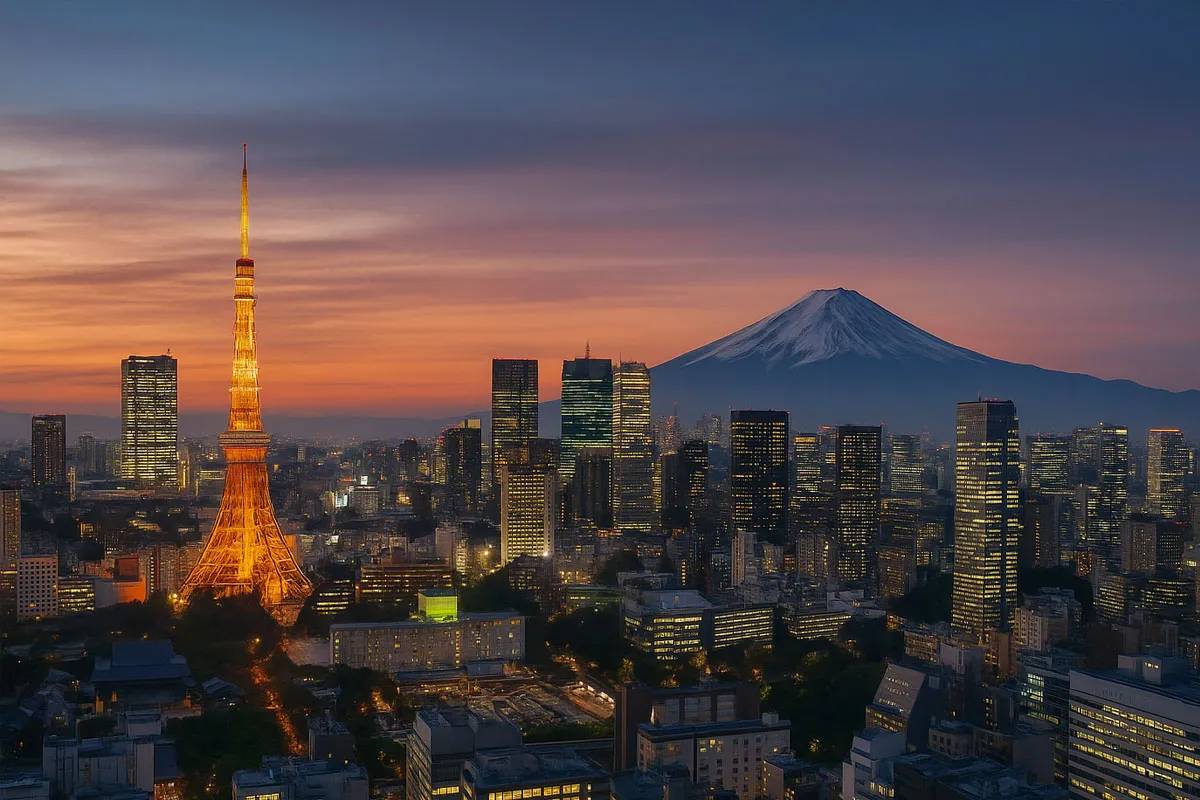
Optional: Cap the evening with panoramic city views from Tokyo Tower or a rooftop observation deck.
-
Optional add-ons: teamLab Planets (Odaiba) or Aqua City shopping.
-
Skip if needed: River cruise or multiple Odaiba attractions to shorten the day.
Leisurely & Active Pacing Options
If you’d like a more leisurely pace, consider focusing on one museum only in Ueno. Choose only one day trip, or extend time in gardens and residential districts.
If you’d like a more active pace, consider combining Yanaka and Akihabara more efficiently, adding observation decks on multiple evenings or including additional neighbourhoods such as Nakano Broadway.
In Case Of Inclement Weather:
Day 1: Central Tokyo Highlights
Prioritize indoor observation decks, department stores, and covered shopping arcades. Reduce extended park time and shrine grounds. Replace skyline viewpoints with museum or dining experiences.
Day 2: West Tokyo (Shrines + Youth Culture + Neon)
Focus on indoor retail, galleries, and cafés in Harajuku and Shibuya. Shorten Meiji Shrine forest walks in heavy rain. Shift neon exploration to the evening when rain enhances the atmosphere, but limit long outdoor exposure.
Day 3: Asakusa & Sumida / Traditional Tokyo
Visit Senso-ji’s main hall and the covered Nakamise Street stalls. Reduce river walks and open-air skyline views. Substitute with indoor cultural museums nearby.
Day 4: Yanaka & Ueno – Old Tokyo Atmosphere
Concentrate on Ueno’s museum cluster and interior exhibitions. Limit cemetery and residential lane wandering. Use cafés and small galleries as sheltered pauses between stops.
Day 5: Day Trip - Nikko or Kamakura
-
Nikko: Focus on Toshogu’s covered shrine structures and skip extended forest trails.
-
Kamakura: Prioritize temple halls and reduce coastal or hillside walking. In heavy rain, consider reallocating to a Tokyo-based indoor cultural day.
Day 6: Day Trip - Hakone or Kawaguchiko
-
Hakone: Skip lake cruise and Fuji viewpoints if visibility is poor; prioritize museums and onsen.
-
Kawaguchiko: Highly weather-dependent; if Fuji is obscured, postpone or substitute with Hakone or a Tokyo indoor day.
Day 7: Flexible / Design & Lifestyle Districts (Daikanyama, Nakameguro, Kagurazaka)
Emphasize bookstores, boutiques, galleries, and sit-down dining. Shorten river walks and slope exploration. These districts adapt well to light rain due to their density of indoor spaces.
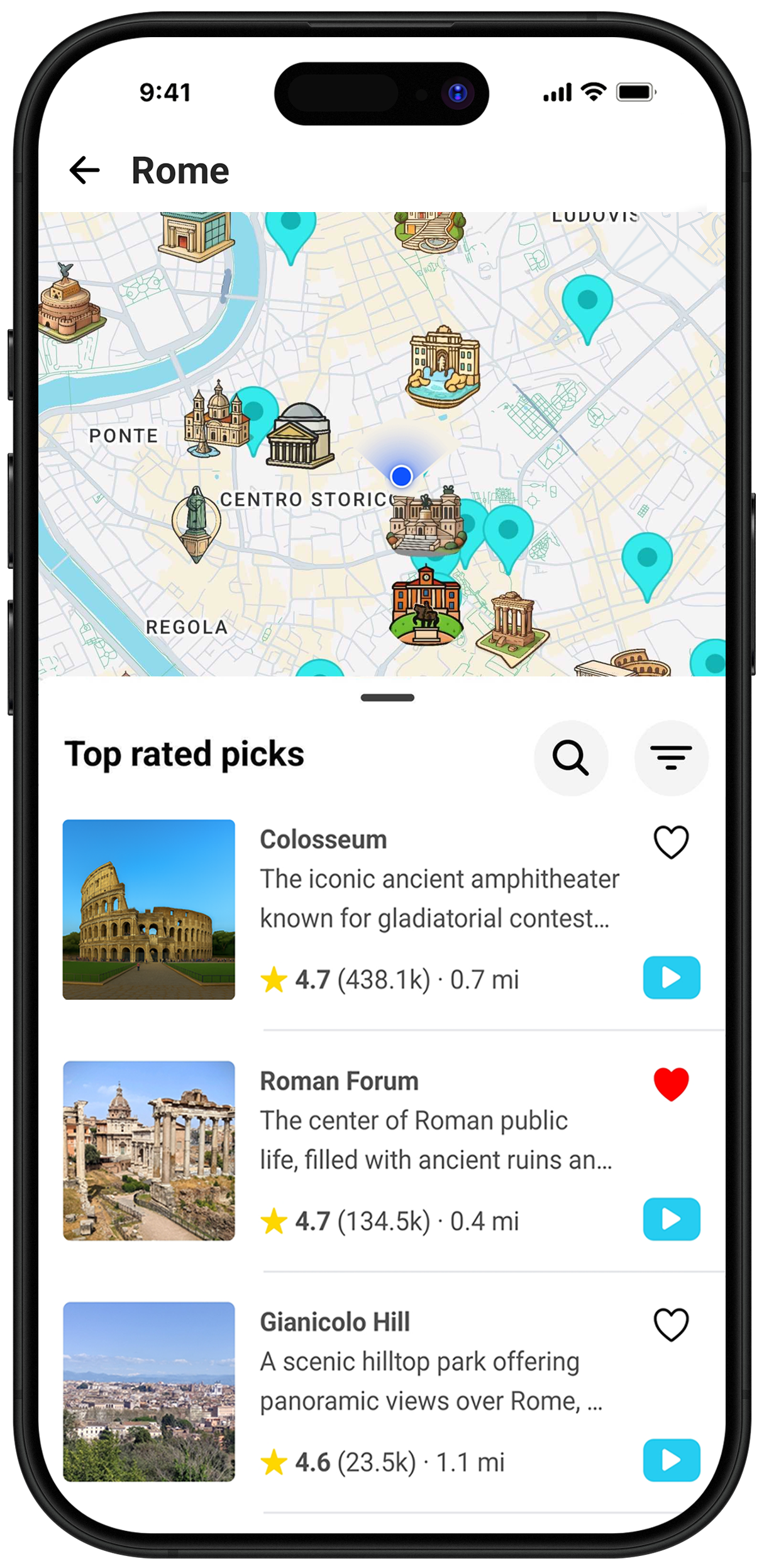
Make the most of your trip with the Travi App
Audio Guides
Professional narrated stories that you can listen to on your own schedule.
Snap & Learn
Point your camera at any monument to instantly identify it and hear its history.
Itineraries
Browse curated day-by-day plans, customize them to fit your style, or build your own from scratch and share with friends.