
5 Days in Tokyo
5 Days in Tokyo
Day 1: Imperial Tokyo + Asakusa + Skytree (Foundations of the City)
An introduction to Tokyo’s origins. Begin with the political center at the Imperial Palace, then transition into Asakusa’s preserved Edo-era atmosphere. The day contrasts state authority, traditional commerce, and contemporary skyline views, establishing the city’s historical backbone before modern immersion.
Morning
The Seat of Power & Quiet Green Space
Tokyo Imperial Palace - Begin in the geographic and symbolic heart of the city. The gravel paths, stone bridges, and layered moats create a surprising silence against the backdrop of Marunouchi’s glass towers. The East Gardens offer remnants of Edo Castle foundations; a reminder that Tokyo was once the political engine of the shogunate long before it became a neon metropolis.
Marunouchi District - Walk through polished business boulevards where heritage brick façades meet contemporary corporate architecture.
Afternoon
Old Edo Atmosphere
-
Senso-ji - Enter through the Kaminarimon Gate and follow the incense smoke into Tokyo’s oldest temple. The rhythm here slows: fortune slips, temple bells, prayer rituals.
-
Nakamise Street - Edo-style snacks, folding fans, rice crackers, sweets. It’s theatrical but historic; this pathway has served temple visitors for centuries.
-
Optional Cultural Workshop – Tea Ceremony (Asakusa Area)
Small-group tea ceremony experiences in Asakusa typically include:
- Explanation of tea philosophy (wabi-sabi, seasonal awareness)
- Demonstration of purification and preparation
- Matcha preparation and tasting
- Wagashi seasonal sweets
- Instruction in basic etiquette and bowl rotation
Evening
Contemporary Vertical Tokyo
-
Sumida River Walk - A gentle riverside transition from wooden temple districts toward the vertical skyline.
-
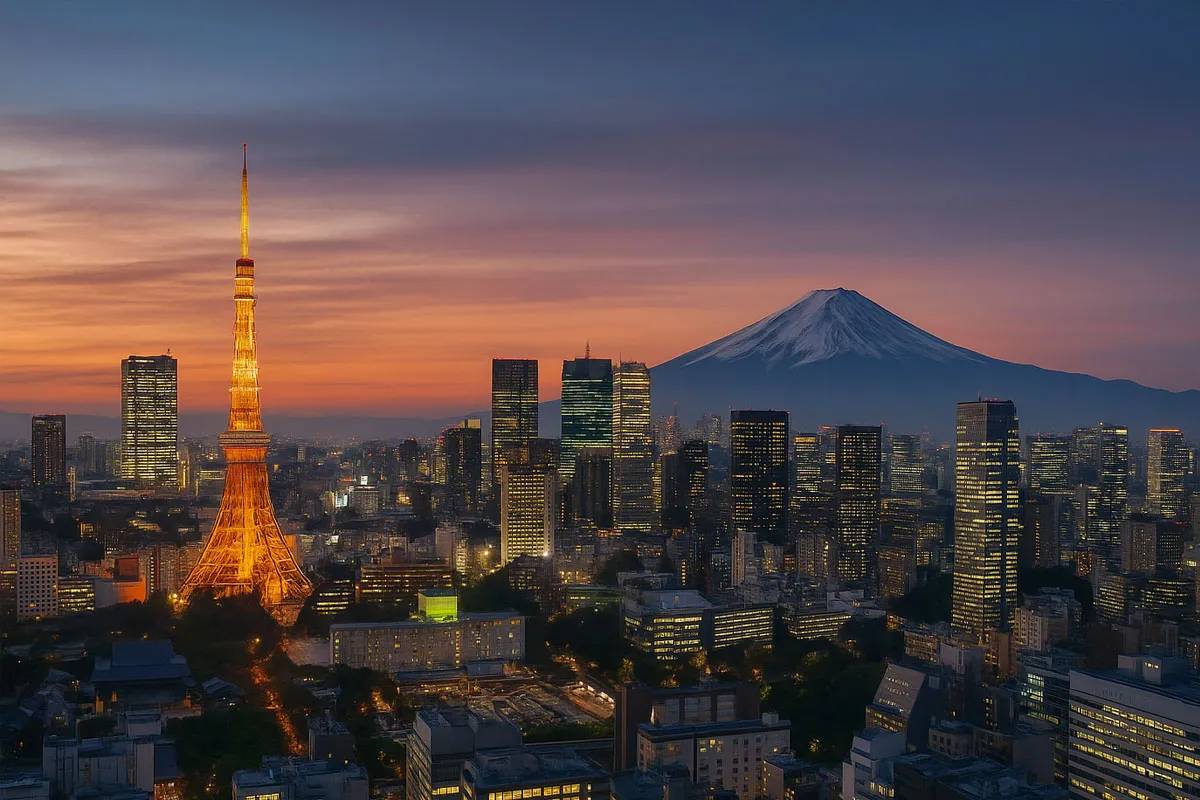
Tokyo Skytree - As the sun sets, ascend into Tokyo’s scale. From above, the city becomes infinite; a glowing lattice stretching in every direction. This moment reframes everything seen earlier: the palace, the temple, the neighborhoods now part of a vast urban organism.
Leisurely & Active Options
If you’d like a more leisurely pace, consider:
- Visiting the Imperial Palace East Gardens only (skip full Marunouchi wandering).
- Spending longer at Senso-ji and exploring side streets behind Nakamise (Denboin Street, back temple lanes).
- Choose either Tea Ceremony OR Skytree, not both.
If you’d like a more active pace, consider:
- Shortening the Imperial Palace visit to an exterior walk only (no East Garden depth).
- Skipping workshops.
- Skytree timed entry at sunset with dinner reservation inside Solamachi.
Day 2: Meiji Shrine + Harajuku + Shibuya (Tradition Meets Youth Culture)
Move from the quiet scale of Meiji Shrine’s forested pathways into Harajuku’s youth culture and onward to Shibuya’s vertical intensity. This day highlights Tokyo’s generational shifts; spirituality, fashion subculture, and mass urban spectacle coexisting within a compact radius.
Morning
Forested Stillness at Meiji Shrine
Meiji Shrine - Enter through the towering wooden torii gate and immediately transition into engineered wilderness. The gravel path cuts through a 100,000-tree forest donated from across Japan - a deliberate act of national symbolism when the shrine was established in 1920.
Main Shrine Complex - Dedicated to Emperor Meiji and Empress Shōken, the shrine marks Japan’s transformation from isolation to modernisation. See wooden ema plaques inscribed with wishes and a wedding procession if timing aligns.
Inner Garden (optional extension) - A quieter pocket with iris fields in early summer. Less trafficked, more contemplative.
Takeshita Street - From forest silence to compressed color and movement within minutes. Expect: extreme street fashion subcultures, crepe stands and novelty sweets and accessory boutiques stacked floor-to-ceiling.
Cat Street - A calmer alternative corridor connecting Harajuku to Shibuya. Visit independent labels, curated vintage shops, and low-rise storefronts.
Omotesando (edge of Harajuku) - Wide boulevard often compared to the Champs-Élysées, but architecturally sharper. See flagship buildings by globally recognized architects create a living design gallery.
Afternoon
Shibuya: Organized Chaos
-
Shibuya Crossing - Arrive mid-afternoon when the intersection is active but not yet overwhelming. Watch from above (Shibuya Sky, café vantage points, or station windows) before crossing at ground level.
-
Hachiko Statue - A small but symbolic stop. The loyal dog has become a meeting point and a quiet reminder of collective memory embedded in modern infrastructure.
-
Shibuya Center-Gai - Neon, music, multi-level retail, gaming arcades. A younger, louder energy compared to Ginza.
-
Shibuya Sky (optional but recommended) - Rooftop observatory offering a 360° view across Tokyo’s sprawl.
-
Taiko Drumming Workshop (optional, if interested)
A typical Tokyo taiko workshop includes:
- Introduction to rhythm structure
- Group coordination drills
- Physical stance and striking techniques
- Full-group performance at the end
Evening
Neon + Night Energy
Explore:
- Narrow side streets for izakaya culture
- Basement-level ramen counters
- Elevated dining with skyline views
Leisurely & Active Pace Options
If you’d like a more leisurely pace, consider doing the Meiji Inner Garden fully, skipping Takeshita Street at peak hour and exploring quieter Harajuku backstreets instead, or choosing either Shibuya Sky OR Taiko Workshop, not both.
If you’d like a more active pace, consider doing the Meiji Shrine main path + shrine complex only (no Inner Garden), the Omotesando architectural walk-through, and view Shibuya from above without a rooftop observatory (station window or café).
Day 3: Ueno + Yanaka + Akihabara + Ginza
Explore Ueno’s museum district and Yanaka’s nostalgic streets before transitioning into Akihabara’s hyper-sensory pop culture and Ginza’s refined commercial polish. The sequence reveals Tokyo’s layered identities: academic, historical, niche, and luxury — all within one metropolitan arc.
Morning
Cultural Foundations in Ueno
-
Ueno Park - Begin in one of Tokyo’s most historically layered districts. Once part of temple grounds tied to the Tokugawa shogunate, Ueno today balances public leisure with intellectual gravity.
-
Tokyo National Museum - Samurai armor, folding screens, Buddhist sculpture, lacquerware, and delicate ink paintings provide context for everything you will see in temples, shrines, and neighborhoods throughout the week.
-
Shinobazu Pond - A slow perimeter walk around the pond introduces everyday Tokyo life through locals jogging, elderly couples feeding birds, students sketching.
-
Yanaka Ginza - A short transit from Ueno brings you into one of the few neighborhoods that survived wartime bombing. The atmosphere shifts immediately with low-rise buildings, family-run shops, hand-painted signage. Browse ceramic shops, snack on freshly fried croquettes, and observe daily rhythms rather than spectacle.
-
Calligraphy or Traditional Woodblock Printing - Located ideally in Yanaka or near Ueno.
Option 1: Shodo (Calligraphy)
- Introduction to brush technique
- Meaning of kanji selected
- Practice on rice paper
- Take-home finished piece
Option 2: Ukiyo-e Style Woodblock Printing
- Learn the carving/inking process
- Print layered design
- Understand Edo-era publishing culture
Afternoon
Akihabara: Obsession & Subculture
-
Akihabara - Arrive after lunch, when the district is fully animated. Towering vertical storefronts covered in anime façades and LED screens create sensory overload intentionally. Explore beyond the surface at multi-level retro game arcades, Specialist figurine stores and manga floors dedicated to niche genres.
-
Kanda Myojin Shrine (short walk from Akihabara) - A striking juxtaposition; a centuries-old shrine frequented by tech workers who pray for business success. Tradition and tech coexist literally steps apart.
Evening
Ginza: Composed Urban Sophistication
Ginza - As daylight fades, transition into Tokyo’s most refined district. The mood changes dramatically: wide boulevards, architectural flagships, and precise window displays. Notice minimalist façades with subtle lighting, immaculate department store interiors and rooftop terraces atop heritage retail buildings.
Kabukiza Theatre (Exterior Visit or Short Performance Option) - The illuminated white façade provides a final cultural anchor. If timing allows, attend a single-act kabuki performance for an accessible introduction to traditional theatre.
Optional: Evening dessert or tea salon - Ginza excels at precision hospitality with beautifully plated pastries, seasonal fruit parfaits, and curated tea experiences.
Leisurely & Active Pace Options
If you’d like a more leisurely pace, consider limiting Tokyo National Museum to 1 curated wing (Japanese Gallery only), skipping either calligraphy OR woodblock, not both and shortening Akihabara exploration to 2–3 targeted buildings. Optional: drop the Shinobazu Pond loop if museum time expands.
If you’d like a more active pace, consider doing the Ueno Park exterior only; skip the museum interior, Yanaka Ginza as a quick walk-through, no workshop, or a Ginza dinner; Kabukiza exterior glance only.
Day 4: Niche Interest Day (Culinary Tokyo)
A focused exploration of Tokyo through its food systems; from market culture to knife craftsmanship, depachika refinement, and intimate counter dining. This day emphasizes process over spectacle: ingredient sourcing, seasonal awareness, and the discipline behind everyday excellence.
Morning
Tsukiji Outer Market - Explore the bustling stalls of Tsukiji Outer Market, where knife shops, tamagoyaki vendors, and fresh seafood demonstrations illustrate Tokyo’s ingredient culture. Engage with sellers, observe tuna-cutting displays, and note the rhythms of daily trade and food preparation. Audio cues include clanging knives, vendor calls, and sizzling grills.
Afternoon
Depachika Food Halls - Descend into the depachika (underground food halls) of flagship department stores like Isetan Shinjuku or Mitsukoshi Ginza. These curated spaces showcase impeccable presentation, regional specialties, and seasonal treats. Learn how Tokyoites approach flavor, gifting, and edible aesthetics.
Evening
Izakaya Alley (Omoide Yokocho, Shinjuku) - End the day with small-scale dining in a Omoide Yokocho alley. Smoke, skewers, and intimate conversation reveal Tokyo nightlife from a local perspective. Observe how post-work rituals intersect with taste, sound, and urban density.
Leisurely & Active Pace Options
If you’d like a more leisurely pace, consider arriving early at Tsukiji before 9 AM, a knife shop consultation, a depachika tasting plan (limit to 4–5 focused vendors) or an Omoide Yokocho early dinner (before 7 PM).
If you’d like a more active pace, consider Tsukiji as a 90-minute pass-through, skip the depachika and have a direct transition to a structured cooking class instead, and end in one curated izakaya.
Day 5: Hakone Day Trip (Nature & Onsen Landscape)
This day is designed as a gentler conclusion to your Tokyo exploration. Travellers can choose between a restorative nature escape, historical coastal exploration, or immersive neighbourhood depth. Each option provides sensory richness, context, and the ability to unwind while still engaging with Tokyo’s cultural layers.
RECOMMENDED
- Option A – Hakone (Nature & Onsen Landscape)
SUBSTITUTIONS
- Option B – Kamakura (Coastal History)
- Option C – Shimokitazawa (Creative Neighbourhood Depth)
Option A Hakone (Nature & Onsen Landscape): Morning
Hakone Ropeway & Owakudani
-
Travel from Tokyo (~1.5 hours).
-
Begin the Hakone Round Course with the ropeway over Owakudani, an active volcanic valley with steaming vents and sulfurous landscape.
-
Try the region’s famous black eggs, boiled in natural hot spring water.
-
On clear days, views extend toward Mount Fuji.
Option A Hakone (Nature & Onsen Landscape): Afternoon
Lake Ashi & Hakone Shrine
-
Cruise across Lake Ashi on a sightseeing boat, framed by forested hills.
-
Walk to Hakone Shrine, partially hidden in a cedar forest, with its iconic torii gate standing in the water.
-
Continue to the Hakone Open-Air Museum, where large-scale sculptures are set against mountain backdrops, blending art with landscape.
Option A Hakone (Nature & Onsen Landscape): Evening
-
Return to Tokyo via Odawara or direct train.
-
Optional dinner in Shinjuku or Ginza upon arrival.
Option A Hakone (Nature & Onsen Landscape): Leisurely & Active Options
If you’d like a more leisurely pace, consider the Ropeway + Lake Ashi + Shrine only, skip the Open-Air Museum and return early before rush hour. As well, do not attempt the full Hakone Round Course.
If you’d like a more active pace, consider a direct train to Hakone-Yumoto, doing one primary highlight (Open-Air Museum OR Lake Ashi) and no ropeway loop.
In Case Of Inclement Weather:
-
Replace the Ropeway and Owakudani segment with extended time at the Hakone Open-Air Museum (large portions are outdoor but manageable in light rain; indoor Picasso Pavilion provides shelter).
-
Alternatively, prioritize the Pola Museum of Art (fully indoor, forest setting) for a climate-controlled experience.
-
Skip Lake Ashi cruise if visibility is poor; substitute with a traditional ryokan-style lunch or café stop near Hakone-Yumoto.
-
Return to Tokyo earlier and add a structured evening dining reservation in Shinjuku or Ginza.
-
If the weather is severe, consider replacing Hakone entirely with a Tokyo-based indoor day (museum cluster or culinary focus).
NOTE: Hakone’s ropeway may suspend operations during heavy rain, wind, or volcanic activity alerts.
Substitution Option B – Kamakura Day Trip (Coastal History)
Morning
- Kotoku-in & Great Buddha - Visit Kotoku-in, home to the monumental outdoor bronze Buddha. Experience the serene coastal air, learn about Kamakura’s role as a medieval political and spiritual hub, and consider the historical interplay between Buddhism and Japanese coastal communities.
Afternoon
- Hasedera Temple - Stroll Hasedera Temple, famous for hillside gardens, seasonal hydrangeas, and ocean views. Engage with courtyard shrines, local sculptures, and quiet meditation spaces.
Evening
- Komachi Street & Coastal Stroll - Explore Komachi Street, a lively pedestrian street with casual shopping, traditional sweets, and souvenir stalls. Conclude with a gentle seaside walk or café stop before returning to Tokyo, soaking in coastal ambience and observing the contrast between urban Tokyo and historic Kamakura.
Leisurely & Active Options
If you’d like a more leisurely pace, consider visiting the Great Buddha + Hasedera only, having a slow Komachi Street lunch or an optional quiet temple visit (Engaku-ji or Hokoku-ji bamboo grove).
If you’d like a more active pace, consider doing the Great Buddha stop only, a brief stop at Komachi Street and doing an early return.
In Case of Inclement Weather:
-
Kamakura is walk-heavy and partially exposed.
-
Prioritize Kotoku-in (Great Buddha) first; it remains atmospheric even in light rain.
-
Replace the extended Hasedera garden time with more interior temple halls.
-
Reduce coastal strolling and Komachi Street browsing.
-
Add a café pause to break walking segments.
-
If the weather becomes disruptive, return to Tokyo mid-afternoon and add an indoor museum or department store food hall experience.
-
Heavy rain reduces scenic coastal impact, so this option works best in mild conditions.
Substitution Option C – Shimokitazawa (Creative Neighbourhood Depth)
Morning
- Vintage Shops & Cafés - Wander through Shimokitazawa, exploring second-hand boutiques, independent cafés, and small bookshops. Observe the rhythm of local life in a low-rise, artistic neighbourhood.
Afternoon
- Music Venues & Art Spaces - Visit small live music venues or art galleries that exemplify Tokyo’s alternative creative scene. Engage with local culture through interactive exhibitions or live performances, emphasizing intimate urban storytelling.
Evening
- Casual Dinner & Exploration - End the day in a neighbourhood izakaya or café, reflecting on the layered urban creativity. An optional stroll along side streets highlights neon signs, murals, and the subtle evening transformation of the area.
Leisurely & Active Pace Options
If you’d like a more leisurely pace, consider an early dinner and avoid venue hopping.
If you’d like a more active pace, consider adding a coffee roastery visit, one live house visit (even if a rehearsal viewing), or a structured vintage focus (menswear, records, or literature; not all).2–3 streets only.
In Case of Inclement Weather:
In Case of Inclement Weather:
-
Shimokitazawa adapts well to rain due to its density of small indoor venues.
-
Focus on vintage shops, record stores, cafés, and covered arcades.
-
Replace street wandering with a structured live house performance or gallery visit.
-
Consolidate movements to 2–3 adjacent streets to minimize exposure.
-
Add longer café stops to maintain comfort.
In Case Of Inclement Weather:
Day 1 – Imperial Tokyo + Asakusa + Skytree In poor weather, shorten the Imperial Palace gardens and move quickly into covered areas in Marunouchi and Asakusa’s main hall. Replace river walks with time inside Tokyo Solamachi, and shift Skytree to a clearer evening if visibility is limited.
Day 2 – Meiji Shrine + Harajuku + Shibuya Limit time along the shrine approach and focus on the main complex only. Prioritize indoor retail architecture in Omotesando and covered complexes in Shibuya; substitute extended street wandering with a museum or structured indoor experience if needed.
Day 3 – Ueno + Yanaka + Akihabara + Ginza Expand museum time in Ueno and reduce outdoor strolling in Yanaka. Akihabara and Ginza remain strong in rain due to multi-level indoor spaces and underground connectivity.
Day 4 – Culinary Tokyo Minimize time in uncovered market lanes and shift toward indoor sushi counters, depachika food halls, and reserved dining. Replace alley-style evening spots with fully indoor restaurants if conditions are severe.
Make the most of your trip with the Travi App
Audio Guides
Professional narrated stories that you can listen to on your own schedule.
Snap & Learn
Point your camera at any monument to instantly identify it and hear its history.
Itineraries
Browse curated day-by-day plans, customize them to fit your style, or build your own from scratch and share with friends.