
1 Day in Tokyo
Choose From 2 Options - East Tokyo & West Tokyo
1 Day in Tokyo
Choose From 2 Options - East Tokyo & West Tokyo
Day 1 Option A: East Tokyo (Heritage + Skyline)
Imperial Legacy → Old Edo → Vertical Modernity
Tokyo is best understood through contrast. Begin in Asakusa, where Edo-period spirituality still anchors daily life. End in Shibuya and Shinjuku, where speed, density, and neon define contemporary Japan. In one day, travellers experience 400 years of urban evolution.
Morning – Imperial Foundations
Tokyo Imperial Palace - Begin at the symbolic heart of Japan. Walk the East Gardens, where stone ramparts and castle foundations remain from the Edo period. The contrast between historic moats and Marunouchi’s glass towers introduces Tokyo’s defining duality: continuity within modernization.
Tsukiji Outer Market - Tsukiji & Ingredient Culture. Knife shops, tamagoyaki stalls, grilled seafood skewers; it’s not the old wholesale market anymore, but it remains Tokyo’s most accessible food culture zone. (NOTE: If beating the crowds and getting an early breakfast is desired, start at the market and then move on to the Imperial Palace.)
Marunouchi stroll - A polished business district that shows Tokyo’s refined urban order.
Afternoon – Asakusa & Old Edo Atmosphere
Senso-ji - Tokyo’s oldest temple delivers immediate cultural immersion. The Kaminarimon Gate, incense smoke, omikuji fortunes, and pagoda silhouettes create a layered sensory experience.
Nakamise Street - Rice crackers, traditional sweets, and folding fans - theatrical but rooted in history.
Sumida River walk - A short decompression stretch before the skyline shift.
Evening – Tokyo Skytree & Night Illumination
Tokyo Skytree - End vertically. From the observation deck, the sprawl becomes infinite - temple districts and palace grounds now part of a glowing grid. Sunset → twilight is ideal timing.
Optional: dinner in Solamachi below the tower.
Leisurely & Active Options
If you’d like a more leisurely pace, consider spending 90–120 min at Imperial Palace East Gardens, slow down at Senso-ji + side streets (2 hrs total) and skip the upper observation deck if fatigued.
If you’d like a more active pace, consider spending 60 min at the Imperial Palace, skip Tsukiji, spend about 75–90 min at Senso-ji/Nakamise and visit the Skytree for sunset.
Day 1 Option B: West Tokyo (Shrine + Youth Culture + Neon)
Sacred Forest → Self-Expression → Iconic Urban Energy
This route captures the layered identity of West Tokyo in a single day, moving from spiritual calm to hyper-urban spectacle. The progression is intentional: begin in the quiet forested grounds of Meiji Shrine to ground the experience in tradition and ritual, transition into Harajuku’s youth-driven creativity and street expression, and conclude in Shinjuku’s neon skyline and dense nightlife energy.
Morning – Meiji Shrine & Forest Calm
Meiji Shrine - Enter through towering torii gates into a 100,000-tree forest planted in the early 20th century. The gravel path quiets the senses before the city intensifies. This provides spiritual grounding before modern Tokyo unfolds.
Takeshita Street - A dramatic shift in tone. Colorful storefronts, crepe stands, experimental fashion; youth identity on full display.
Cat Street - Calmer, more curated independent boutiques.
Omotesando - Architectural showcase of flagship buildings and contemporary design. You move from subculture to refined design within minutes.
Afternoon – Shibuya Energy Builds
Shibuya Crossing - Observe from above first. Then cross at street level.
Hachiko Statue - A small but meaningful cultural landmark.
Explore Center-Gai side streets - Arcades, cafés, layered retail.
Evening – Skyline & Neon
Shibuya Sky - The perfect finale. Open-air views over one of the world’s densest urban cores. Dinner in Shibuya keeps the day geographically tight and logistically simple.
Leisurely & Active Options
If you’d like a more leisurely pace, consider spending 90 min at Meiji Shrine (+ Inner Garden optional), do a café stop in Harajuku, add an Omotesando architecture walk, do a timed Shibuya Sky sunset, or have a sit-down dinner in Shibuya.
If you’d like a more active pace, consider spending about 45–60 min at Meiji Shrine, about 30–40 min in Takeshita, or skip Omotesando. Focus on:
- Shibuya Crossing
- Hachiko
- Shibuya Sky
In Case Of Inclement Weather:
- Meiji forest tolerable in light rain
- Harajuku + Shibuya heavily indoor-friendly
- Minimize Takeshita time
- Use indoor complexes in Shibuya
- Rooftop at Shibuya Sky optional in wind
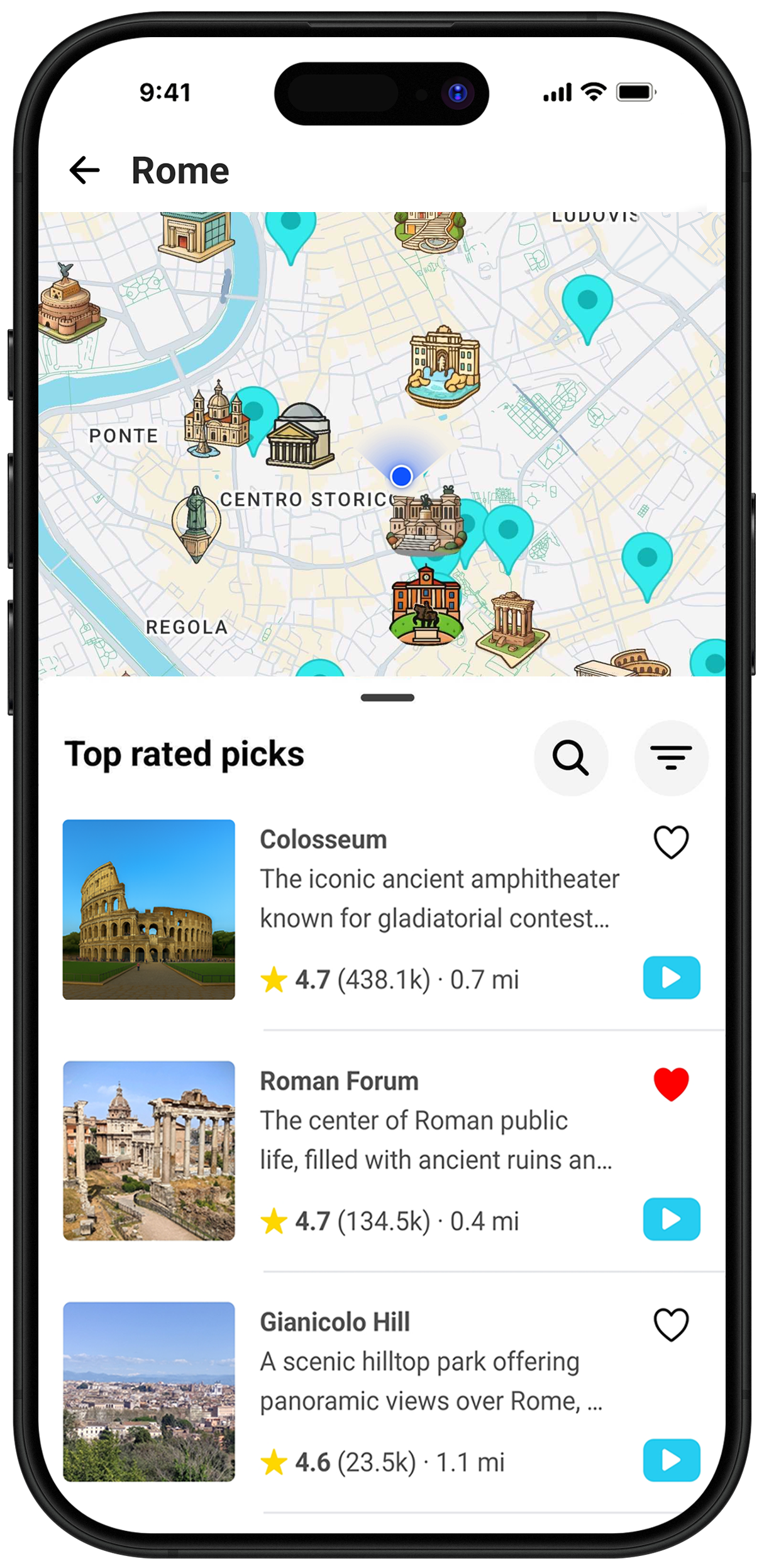
Make the most of your trip with the Travi App
Audio Guides
Professional narrated stories that you can listen to on your own schedule.
Snap & Learn
Point your camera at any monument to instantly identify it and hear its history.
Itineraries
Browse curated day-by-day plans, customize them to fit your style, or build your own from scratch and share with friends.