
2 Days in Shanghai: Art & Design
For travelers looking for an immersive architecture, art and design focused experience
2 Days in Shanghai: Art & Design
For travelers looking for an immersive architecture, art and design focused experience
Day 1
A progression from historic design principles and early global influence into one of the world’s most concentrated skyline districts. The day uses the river as a transition point between eras.
Morning
Start the morning at Shanghai Museum, where ancient ceramics, bronzes, and calligraphy establish core Chinese design principles, material, symmetry, and spatial control.
Continue through People's Park, introducing a shift from curated interiors to open civic space.
Afternoon
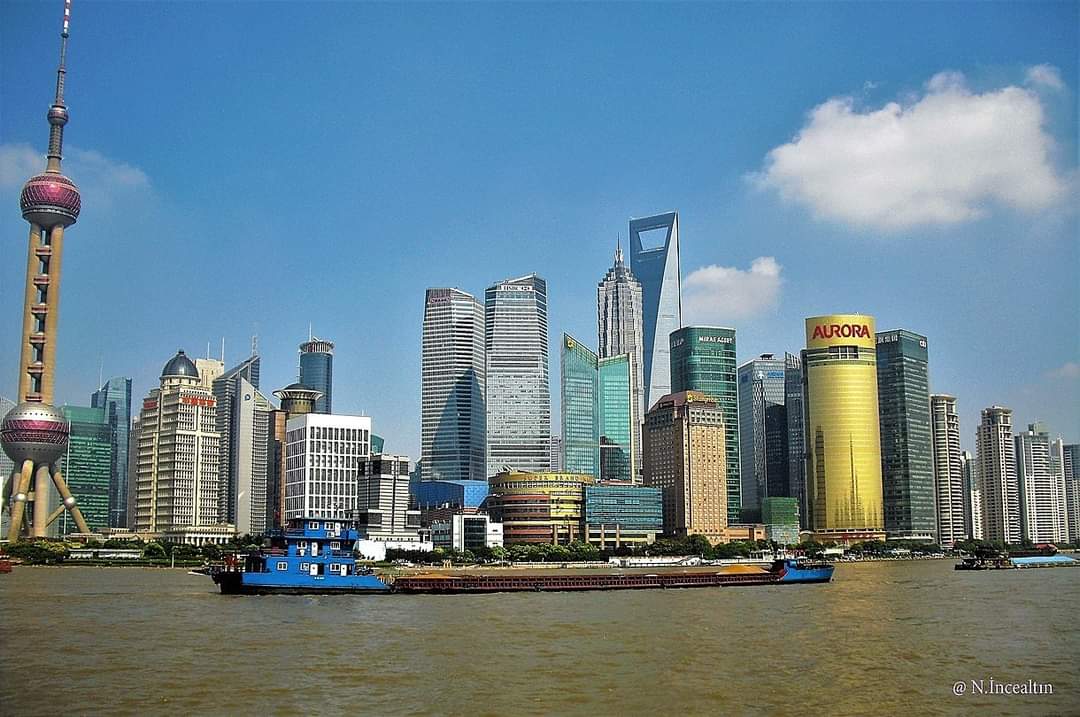
in the afternoon, move to The Bund, where early 20th-century European façades define Shanghai’s financial past. The architectural variety reflects layered international influence.
After, cross into Lujiazui, where density, scale, and infrastructure shift dramatically.
Ascend Shanghai Tower or Shanghai World Financial Center to understand the city’s full spatial structure from above.
Evening
Remain in Lujiazui offering renowned observation decks, luxury shopping, and panoramic views of the historic Bund, or return to The Bund for a full skyline view. The illuminated towers reinforce the contrast between historic frontage and contemporary vertical growth.
Options
Optional
- Include short waterfront walks on both sides of the river
Optional Add-Ons
- Huangpu River cruise for mid-distance skyline perspective
- Extend time within Lujiazui podiums and interior architectural spaces
Active Pace
- Visit both Shanghai Tower and SWFC
- Walk both Bund and Lujiazui waterfronts fully
- Add river cruise without removing core stops
Day 2
A continuation into Shanghai’s modern design ecosystem, focusing on large-scale cultural institutions, industrial reuse, and working creative environments.
Morning
Start your morning along West Bund, a redeveloped industrial waterfront that now functions as a major cultural district.
Visit Power Station of Art, where the original power plant structure remains visible within large-scale gallery spaces.
Afternoon
Continue into the afternoon to Long Museum West Bund, reinforcing the district’s emphasis on scale, raw materiality, and contemporary exhibition design.
Afterwards, move to M50 Creative Park, where smaller galleries and studios create a more informal, production-focused environment. This contrasts with the institutional tone of the morning.
Evening
for your Evening, Shift to 1933 Old Millfun, a former slaughterhouse transformed into a complex network of bridges and exposed concrete volumes. This adds a distinct architectural layer focused on circulation and spatial experimentation.
End in Xintiandi, where historic shikumen structures have been adapted into a polished retail and dining environment. This provides a controlled, commercial interpretation of adaptive reuse.
Optional
Optional:
- Add café or design store stops along West Bund
- Include smaller independent galleries within M50
Optional Add-Ons:
- Return to The Bund for a final skyline view
- Add Suzhou Creek for a quieter architectural walk
- Include Jing'an Temple for traditional architectural contrast
Active Pace:
- Complete full West Bund stretch (Power Station + Long Museum + extended walk)
- Add M50 + 1933 Old Millfun without removing core stops
- Continue toward Suzhou Creek or North Bund for extended evening
In Case of Bad Weather
Day 1:
- Prioritize observation decks and indoor complexes
- Reduce outdoor walking
Day 2:
- Prioritize Power Station of Art and Long Museum
- Reduce waterfront walking
- Extend time in galleries and indoor adaptive reuse sites
Make the most of your trip with the Travi App
Audio Guides
Professional narrated stories that you can listen to on your own schedule.
Snap & Learn
Point your camera at any monument to instantly identify it and hear its history.
Itineraries
Browse curated day-by-day plans, customize them to fit your style, or build your own from scratch and share with friends.