
3 Days in Seoul: Flavors and Markets
For travelers interested in local cuisine and shopping
3 Days in Seoul: Flavors and Markets
For travelers interested in local cuisine and shopping
Day 1: Street Food and Budget Finds
Explore iconic markets selling a wide range of products, as well as street food strips that defined Korean snack culture. Since some of the districts in Seoul are far apart, leave sufficient time for transit between them by public transit or taxi, especially during rush hour.
Morning
Begin at Namdaemun Market, one of the largest and oldest traditional markets in Korea, where covered lanes hold everything from textiles and kitchenware to dried goods and street food stalls. Sample some local specialties such as kalguksu (hand-cut noodle soup), odeng (fish cakes), and hotteok (veggie or sweet filled pancakes).
Alternate Food-Focused Morning Plan
Head to Noryangjin Fisheries Wholesale Market to browse the live tanks on the ground floor and then have your selections prepared upstairs.
Afternoon
Head to Tongin Market Lunchbox Café for the coin lunchbox experience. Buy a set of brass tokens at the entrance you'll use to purchase banchan (side dishes), pajeon (spring onion pancake), kimbap (seaweed wrapped rice with various fillings), or whatever catches your eye from the food stalls in the lanes.
Continue to Myeongdong, where street food and K-beauty retail exist side by side. The flagship stores of brands such as Innisfree, Laneige, and Cosrx sit within a few blocks of stalls selling tteokbokki (spicy rice cakes), cheesy Korean corn dogs, and gyeran-ppang (egg bread). Make time for a stop at Olive Young Myeongdong Town to browse its extensive offerings of skin care, makeup, beauty tools, hair care, and body care products.
Evening
Consider having the iconic meal of chimaek (fried chicken and beer) for dinner. Popular chains include BHC Chicken, Kyochon Chicken, BBQ Chicken, and Kkanbu.
Optional add-on: Head to Dongdaemun Design Plaza, the fluid aluminium landmark that anchors Seoul’s fashion and design scene, with exhibitions that shift throughout the year. The building itself is the primary draw for its flowing surfaces and underground exhibition spaces.
Since the Dongdaemun fashion district comes alive after dark, head to The Migliore Dongdaemun branch for fashion bargains and accessories.
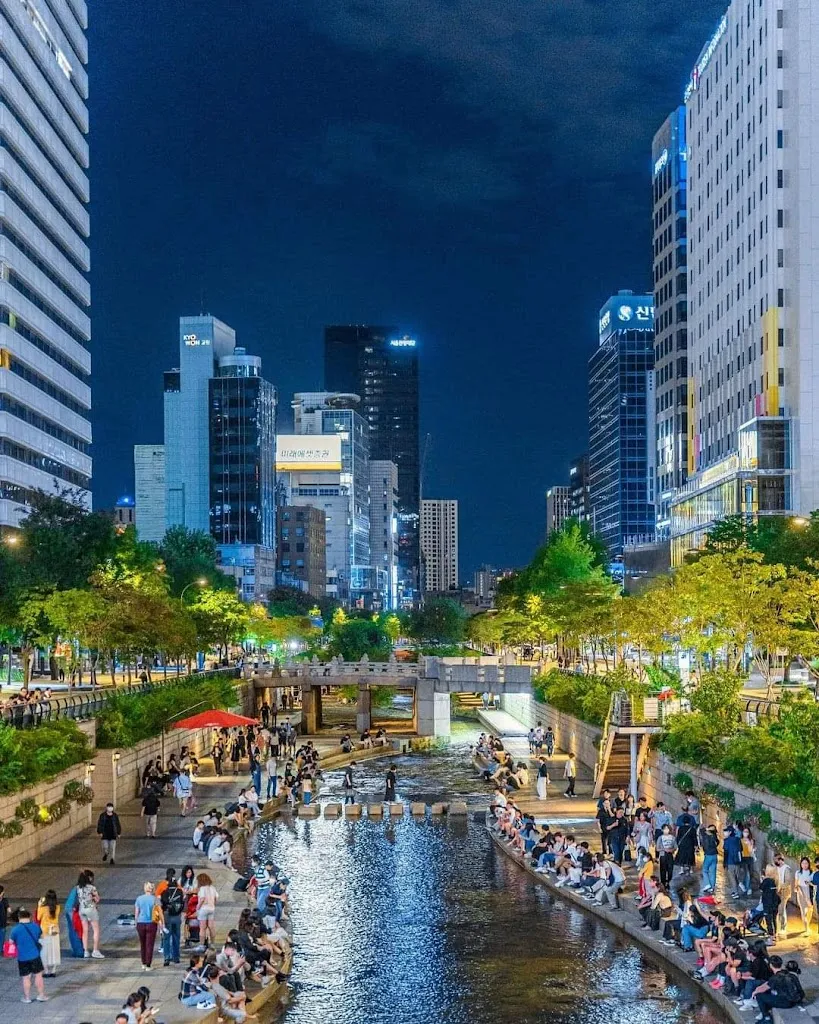
At the end of the evening, stop by a convenience store, such as GS25 or CU, where instant ramen, packaged meals, snacks, and drinks can be combined into an informal late-night meal. Take your goodies to end the evening with a picnic at Cheonggyecheon Stream.
Day 2: Neighborhood Shopping and Traditional Flavors
Explore specialized boutiques, independent designers, and the gallery-lined streets of some of the city's most atmospheric neighbourhoods before ending the night at a Korean BBQ table. Since some of the districts in Seoul are far apart, leave sufficient time for transit between them by public transit or taxi, especially during rush hour.
Morning
Begin the day browsing Gwangjang Market. Sit at a pojangmacha stall and sample local favorites, such as bindaetteok (mung bean pancakes), mayak gimbap (seaweed rolls), and yukhoe (beef tartare) before a Korean cooking class.
During the cooking class, learn about how garlic, sesame oil, gochujang (chili paste), and gochugaru (red chili flakes) are incorporated into popular dishes such as bibimbap
Afternoon
Head to Insadong, where traditional crafts remain central in the form of galleries, teahouses, and small shops that are tucked into narrow alleys off the main street. You might find everything from calligraphy tools to celadon ceramics and hanji paper. Take a dessert café break for bingsu (shaved ice treat topped with condensed milk, fruit, or red bean).
Continue over to Hongdae, a district associated with youth culture, independent music, and street performance. Explore its independent streetwear boutiques, music shops, small galleries, and themed cafés.
Alternate Contemporary Seoul Afternoon Plan
For a more contemporary vibe to the afternoon, make Seongsu-dong Café Street the starting point of your exploration of Seongsu-dong, a former manufacturing district that is now filled with independent cafés, Korean fashion labels, and design studios occupying repurposed factory spaces. Take advantage of the coffee culture in the neighborhood during a café break.
Continue over to Hongdae, a district associated with youth culture, independent music, and street performance. Explore its independent streetwear boutiques, music shops, small galleries, and themed cafés.
Evening
Stay in the neighborhood for dinner since Hongdae is also a fitting spot for Korean BBQ, consisting of samgyeopsal (pork belly strips), hanwoo (Korean beef), or galbi (short ribs) cooked at the table.
Day 3: Luxury Brands and Premium Dining
Experience the affluent, design-conscious side of the city, including the luxury fashion corridors, premium K-beauty flagships, and high-end Korean dining. Since some of the districts in Seoul are far apart, leave sufficient time for transit between them by public transit or taxi, especially during rush hour.
Morning
Begin at The Hyundai Seoul, featuring global luxury names in fashion and cosmetics, trendy Korean brands, and pop-up shops. Stop by the food halls in the basement before leaving, where premium packaged foods, desserts, and ready-to-eat dishes reflect Korea’s elevated department store dining culture.
Afternoon
Head to Garosugil, where the street’s tree-lined layout and low-rise storefronts support a mix of independent fashion labels, concept beauty stores, and cafés. Move on to Apgujeong Rodeo Street, a high-end fashion and lifestyle hub in Seoul.
Next, stroll down Cheongdam-dong Fashion Street to start your exploration of Cheongdam-dong, where the density of luxury flagships increases. The street-level energy here shifts toward the kind of quiet, intentional retail that characterizes Seoul's highest-end shopping corridor, where Korean designer labels sit alongside international houses.
Evening
End your time in Seoul with a high-end hansik tasting menu at one of Gangnam’s modern Korean restaurants. Hansik is a structured meal that incorporates fermented pastes (soybean/red chili), seasoned vegetables, and marinated grilled meats. It emphasizes fresh, seasonal ingredients and is characterized by restraint and depth.
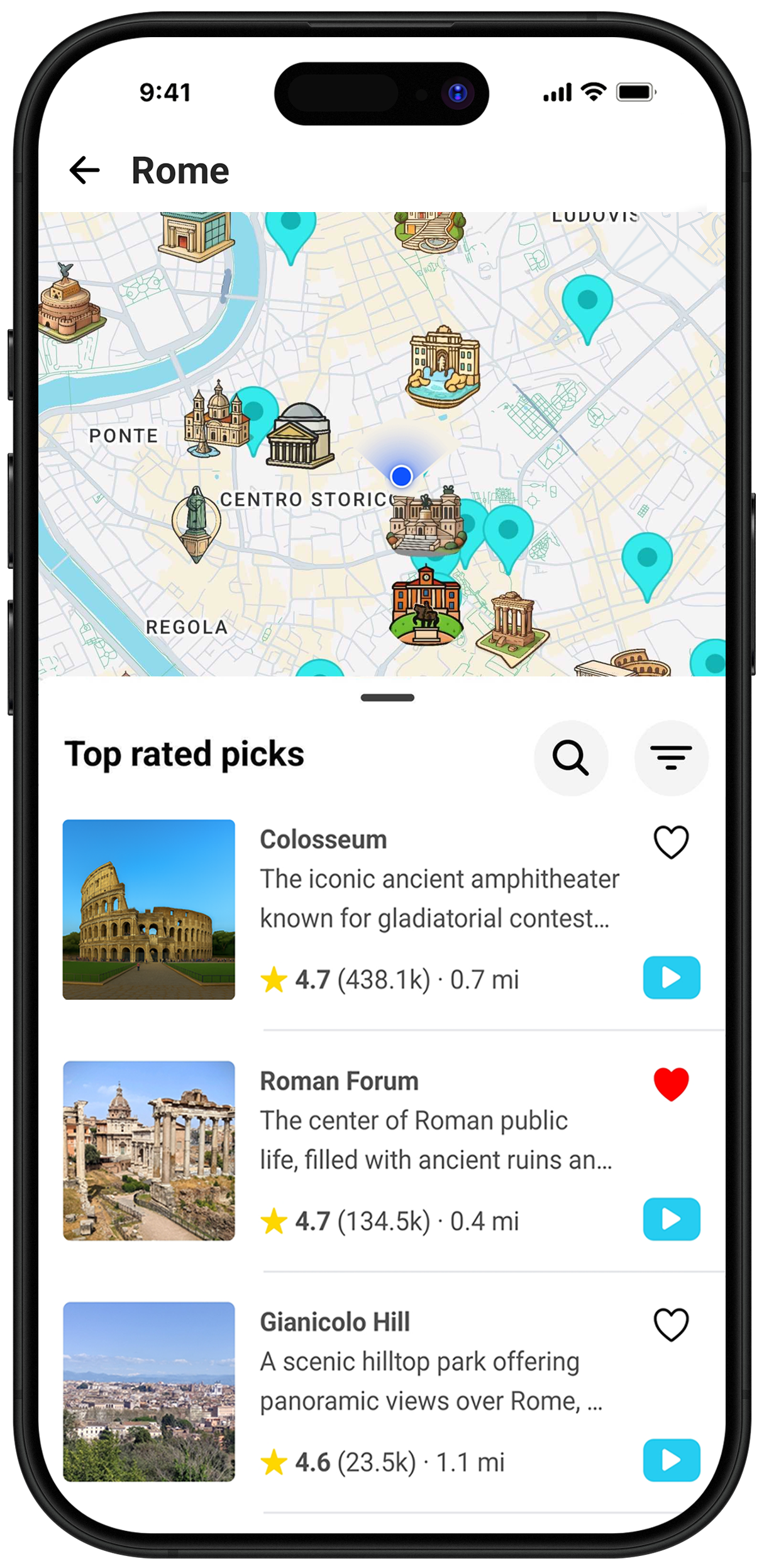
Make the most of your trip with the Travi App
Audio Guides
Professional narrated stories that you can listen to on your own schedule.
Snap & Learn
Point your camera at any monument to instantly identify it and hear its history.
Itineraries
Browse curated day-by-day plans, customize them to fit your style, or build your own from scratch and share with friends.