
3 Days in Seoul
For first-time visitors and travelers seeking the most highly rated and popular sights
3 Days in Seoul
For first-time visitors and travelers seeking the most highly rated and popular sights
Day 1: Royal Palaces and Living Traditions
Explore Seoul's historical core through its royal architecture, residential hanok districts, and food culture embedded in the rhythm of the city. This first day establishes a foundational understanding of the city, moving from formal court spaces into neighbourhoods where those traditions continue.
Morning
Begin at Gyeongbokgung Palace, the largest of the Joseon royal palaces, where stone courtyards stretch between painted wooden pavilions. Time your arrival for the Royal Guard Changing Ceremony at the main gate, which is a formal reconstruction of court ritual that lends context to the architecture surrounding it.
From here, head into Bukchon Hanok Village, where narrow, sloping streets are lined with restored wooden homes with tiled rooflines and inner courtyards glimpsed through wooden gates. Consider renting a hanbok, a traditional outfit with a flowing silhouette consisting of a draped jacket and a long skirt or pants, for a more immersive experience.
Afternoon
Optional add-on: Continue to Jongmyo Shrine, where Joseon kings performed Confucian memorial rites for their ancestors. Its long wooden hall is considered one of the finest surviving examples of Korean ritual architecture. Requirements for respectful/modest attire apply at temples, mosques, and other religious sites. Visitors should avoid disrupting religious observances and remain mindful of posted customs.
Continue into Insadong, where traditional crafts remain central in the form of galleries, teahouses, and small shops that are tucked into narrow alleys off the main street. You might find everything from calligraphy tools to celadon ceramics and hanji paper. Take a café break for traditional Korean tea or bingsu (shaved ice treat).
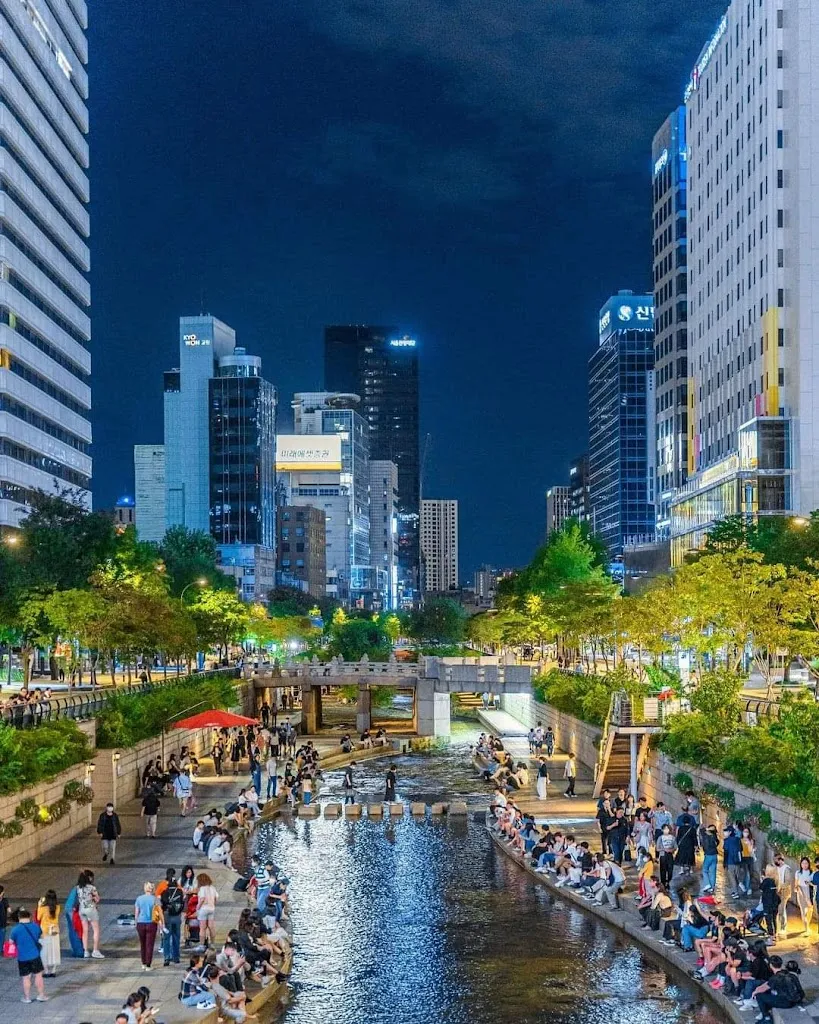
Then head to Cheonggyecheon Stream and follow the water east. The restored stream cuts through central Seoul as a linear public space, offering a quieter counterpoint to the surrounding streets.
Evening
End the day at Gwangjang Market, one of Seoul's oldest food markets. Sit at a pojangmacha stall and sample local favorites, such as bindaetteok (mung bean pancakes), mayak gimbap (seaweed rolls), and yukhoe (beef tartare).
Day 2: The DMZ and Trendy Markets
Gain insight into the political situation between South Korea and North Korea where experiences reinforce that it is not a historical site, but an active one. Then head back into the city to join in the vibrant rhythms of the evening.
Day
Join a guided visit to the Korean Demilitarized Zone, a buffer zone separating South Korea and North Korea. Most tours depart central Seoul early and include Imjingak Pyeonghwa-Nuri Park, the Third Tunnel, and Dora Observatory, where views extend across the buffer zone into North Korean territory.
Optional add-on: On return to Seoul, visit The War Memorial of Korea for an overview of Korean military history, with particular depth on the Korean War, across indoor galleries and an outdoor collection of equipment and monuments.
Evening
Take the Namsan cable car up to N Seoul Tower for a panoramic view of Seoul contained within its ring of mountains and to see the lock wall made famous by K-dramas. Walk the Namsan portion of the Seoul City Wall before descending, if time allows.
Consider heading to a nearby jjimjilbang to experience the restorative combination of hot and cold pools, communal heated rooms, and bathhouse culture.
End the evening in Myeongdong, where street food and K-beauty retail exist side by side. The flagship stores of brands such as Innisfree, Laneige, and Cosrx sit within a few blocks of stalls selling tteokbokki (spicy rice cakes), hotteok (sweet pancakes), and gyeran-ppang (egg bread).
Day 3: K Culture and the Contemporary City
Seoul's contemporary identity has been described as fast-moving, design-conscious, and focused on collective experience. This day moves through the districts where that identity and youth culture are on display. Since some of the districts in Seoul are far apart, leave sufficient time for transit between them by public transit or taxi, especially during rush hour.
Morning
Begin the day in Gangnam to explore the luxury brand shopping, upscale boutiques, gourmet restaurants, and refined cafes found there. Include a stop at the COEX Mall, a commercial center of the K-pop industry, with its artist merchandise floors and interactive exhibits. Within the COEX complex, take a peek at Starfield Library, a multistory installation of floor-to-ceiling bookshelves.
Optional add-on: Near COEX Mall, Bongeunsa Temple offers a serene escape that features a massive Buddha statue and a glimpse into Korean Buddhist traditions. Requirements for respectful/modest attire apply at temples, mosques, and other religious sites. Visitors should avoid disrupting religious observances and remain mindful of posted customs.
Walk K-Star Road to see the GangnamDol installations (bear sculptures) representing popular K-pop groups.
Afternoon
Make Seongsu-dong Café Street the starting point of your exploration of Seongsu-dong, a former manufacturing district that is now filled with independent cafés, Korean fashion labels, and design studios occupying repurposed factory spaces.
Then head to Dongdaemun Design Plaza, the fluid aluminium landmark that anchors Seoul’s fashion and design scene with exhibitions that shift throughout the year. The building itself is the primary draw for its flowing surfaces and underground exhibition spaces.
Evening
Head to Yeouido Hangang Park with chimaek (fried chicken and beer) or snacks and drinks from a convenience store, and find a spot to picnic on the grass.
Optional add-on: Fans of BTS can make a brief stop near the headquarters of HYBE Headquarters for a photo op, where the company behind the group is based.
Optional add-on: Before dinner take part in a K-pop dance class in the Hongdae area. Sessions are typically open to all levels and focus on current choreography.
Head to Hongdae for Korean BBQ, consisting of samgyeopsal (pork belly strips), hanwoo (Korean beef), or galbi (short ribs) cooked at the table.
Afterward, experience the nighttime vibe of Hongdae by heading to a norebang for karaoke in private rooms with song catalogs of Korean and English songs.
Options for Bad Weather
In case of bad weather, visit the:
- National Museum of Korea, where artifacts from prehistoric to modern times are on display, including the Pensive Bodhisattva statues
- MMCA Seoul (National Museum of Modern and Contemporary Art) to explore innovative Korean and international art
- Leeum, Samsung Museum of Art, showcasing Goryeo celadon, Joseon white porcelain, and major international contemporary work
- National Folk Museum of Korea for insight into everyday Joseon life
- Lotte World Mall with its luxury mall and premium food court
- COEX Aquarium for encounters with a diverse range of marine life across themed exhibits, including sharks and penguins
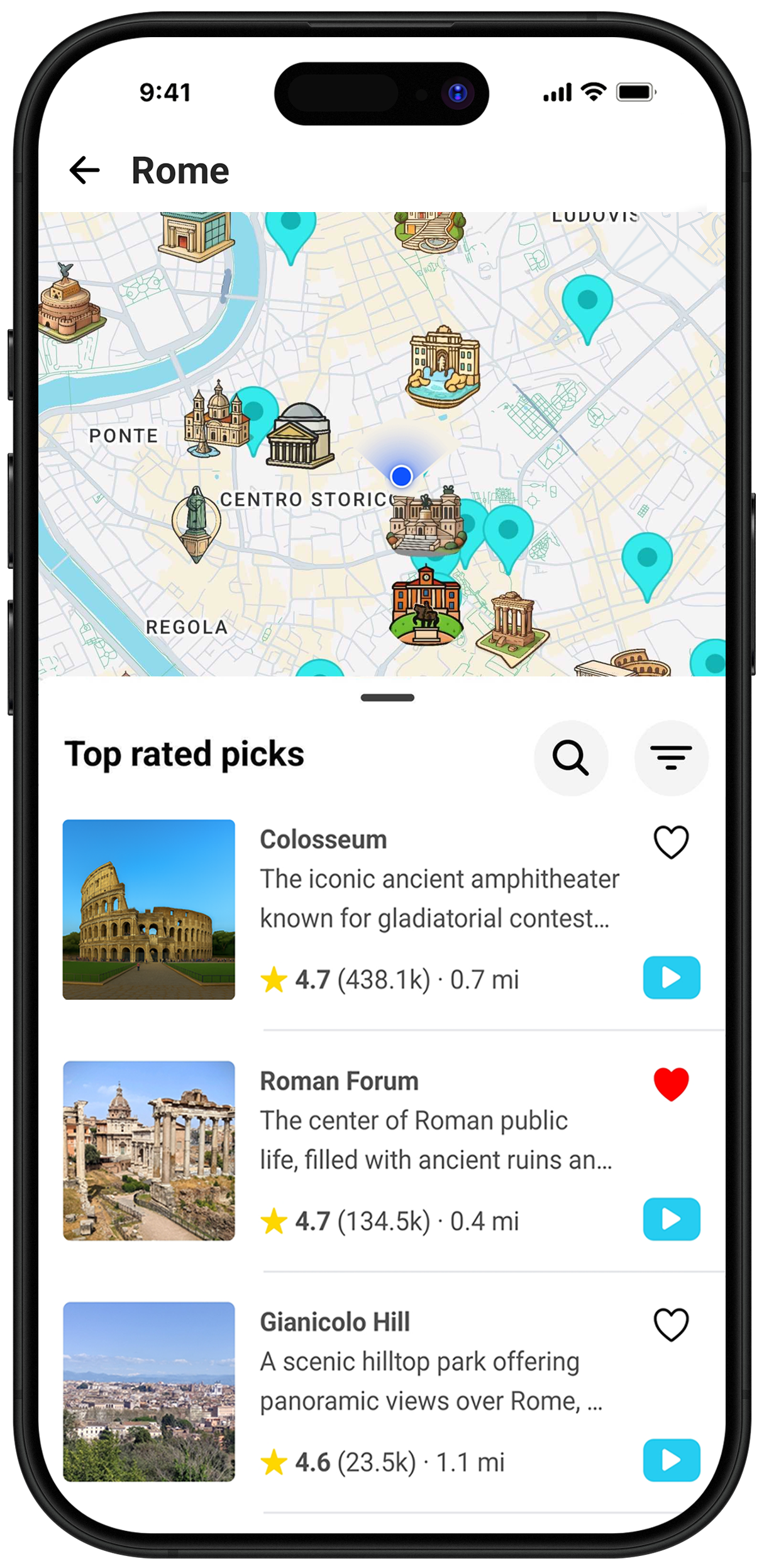
Make the most of your trip with the Travi App
Audio Guides
Professional narrated stories that you can listen to on your own schedule.
Snap & Learn
Point your camera at any monument to instantly identify it and hear its history.
Itineraries
Browse curated day-by-day plans, customize them to fit your style, or build your own from scratch and share with friends.