
3 Days in Madrid
For first-time visitors and travelers seeking the most highly rated and popular sights
3 Days in Madrid
For first-time visitors and travelers seeking the most highly rated and popular sights
Day 1: Historic Squares and the Literary Quarter
Experience Madrid through its historic plazas, market culture, grand art collections, and lively evening traditions.
Morning
Begin the morning with Churros with Chocolate at San Ginés, one of Madrid’s most famous chocolaterías and a longstanding stop for locals and visitors alike. Thick hot chocolate served alongside freshly fried churros has become one of the city’s classic breakfast traditions.
Stroll from Puerta del Sol to Plaza Mayor down Calle Mayor, one of the principal streets of old Madrid. Along the way, observe the dense urban fabric of old Madrid, where narrow streets, balconies, and arcaded squares reflect the city’s Habsburg-era expansion.
Optional add-on: Head to Mercado de San Miguel, a historic iron-and-glass market hall now known for its gourmet food stalls and tapas counters.
Explore the Royal Palace of Madrid, the official royal residence used for state ceremonies and one of Europe’s largest palace complexes with lavish interiors, throne rooms, frescoes, and ceremonial halls.
Optional add-on: Visit the Almudena Cathedral, which combines neoclassical, Gothic Revival, and modern architectural elements. Requirements for respectful or modest attire apply at churches and other religious sites. Visitors should avoid disrupting religious observances and remain mindful of posted customs.
Afternoon
Make your way to La Latina, one of Madrid’s best-known neighborhoods for tapas bars, taverns, and traditional Sunday aperitif culture. Before lunch, consider stopping for vermouth on tap, a longstanding Madrid custom often accompanied by olives or small snacks.
For lunch, try classic Madrid dishes such as bocadillos de calamares (fried calamari sandwiches), callos a la madrileña (slow-cooked tripe stew), tortilla Española (omelet of eggs, potatoes, and onions), croquetas (fried fritters, often filled with ham), or patatas bravas (spicy fried potates) alongside a glass of Mahou beer.
Optional add-on: If visiting on a Sunday, spend time browsing El Rastro, Madrid’s historic open-air flea market known for antiques, clothing, books, and street atmosphere.
Continue afterward to the Museo Nacional del Prado, Spain’s premier art museum that is especially known for works by Velázquez, Goya, El Greco, Rubens, and Titian.
Evening
Spend sunset in El Retiro Park, Madrid’s grand nineteenth-century park of tree-lined promenades, fountains, sculptures, and landscaped gardens. If you arrive earlier, visit the park’s boating lake or the glass-and-iron Palacio de Cristal.
Conclude the day with flamenco, dinner, and nightlife in Barrio de las Letras, the literary quarter historically associated with writers such as Cervantes and Lope de Vega. Consider sampling sherry, Rioja wine, or tinto de verano while exploring the neighborhood’s taverns, restaurants, and late-night atmosphere.
Day 2: Modern Masterpieces and Vibrant Nightlife
Explore Madrid’s major modern art collections and civic landmarks before concluding the day with rooftop views and energetic nightlife.
Morning
Begin the morning at the Museo Nacional Centro de Arte Reina Sofía, Spain’s national museum of twentieth-century and contemporary art. The museum is best known for Picasso’s Guernica, alongside works by Dalí, Miró, and other major modern Spanish artists.
Optional add-on: Continue to the Thyssen-Bornemisza National Museum, whose collection features works spanning the Renaissance, Impressionism, and twentieth-century art movements.
Afternoon
Head to Lavapiés, a multicultural neighborhood known for its independent bars, international restaurants, street art, and nightlife, for lunch featuring a local favorite, cocido madrileño (slow-cooked chickpea stew served in multiple courses).
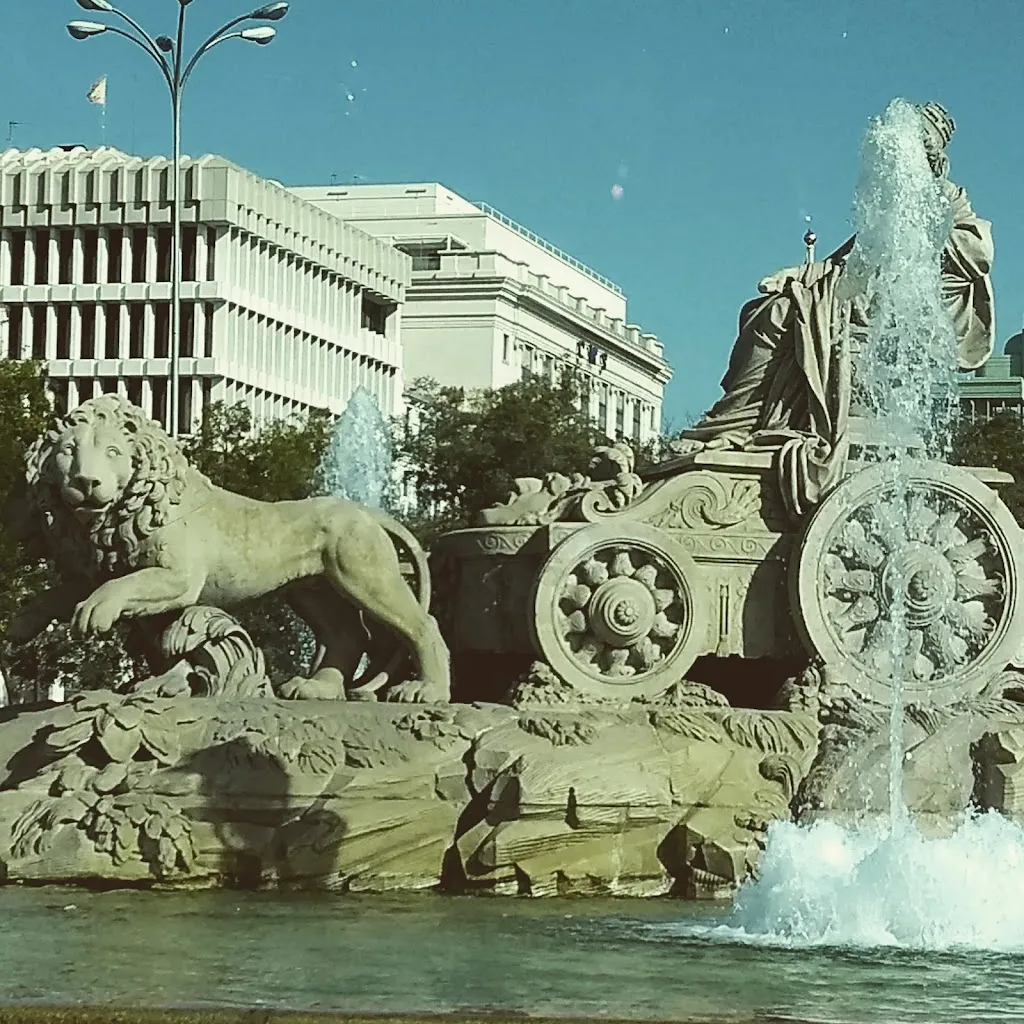
Spend part of the afternoon at Plaza de Cibeles to see the Cibeles Fountain, which is recognizable for its chariot drawn by two lions, and the adjacent Cibeles Palace, a former post office that now serves as Madrid’s city hall. Continue onward to the Puerta de Alcalá, the monumental eighteenth-century gate associated with the city’s ceremonial avenues.
Walk along Calle de Serrano to Salamanca, an upscale district known for broad boulevards, luxury boutiques, cafés, and nineteenth-century architecture. Spend some time exploring the district, taking a break for coffee and desserts.
Evening
Before sunset, visit the rooftop terrace of the Círculo de Bellas Artes for panoramic views across the Gran Vía, central Madrid, and surrounding rooftops as the sun dips below the horizon.
Afterward, spend the evening strolling along the Gran Vía, Madrid’s grand boulevard known for its illuminated architecture, historic theaters, cinemas, and bustling evening atmosphere.
Conclude the evening in Chueca, a lively neighborhood known for nightlife, cafés, terraces, and a vibrant late-evening atmosphere.
Day 3: Toledo’s Medieval Heritage and Castilian Traditions
Head beyond the city’s limits to Toledo, the historic hilltop city known for its layered Christian, Jewish, and Islamic heritage.
Morning
After arriving in Toldedo, begin your visit at the Alcázar de Toledo, the imposing fortress overlooking the city and associated with Roman, imperial, and military history. Pause afterward for a café break for a snack of Manchego cheese served with bread.
Continue to the Catedral Primada de Toledo, a Gothic cathedral built over a former mosque. It is known for the Baroque Transparente altar, El Greco works, and detailed stained glass. Requirements for respectful/modest attire apply at churches, synagogues, and other religious sites. Visitors should avoid disrupting religious observances and remain mindful of posted customs.
Afternoon
Have a light lunch before visiting the Church of Santo Tomé. or the Church of Saint Thomas the Apostle, which is best known for housing El Greco’s masterpiece The Burial of the Count of Orgaz.
Optional add-on: Spend time sampling Toledo’s traditional marzipan sweets before continuing through the historic center.
Head back to Madrid, timing your arrival there to be before sunset.
Evening
Head to the Temple of Debod, an ancient Egyptian temple relocated to Madrid and one of the city’s best-known sunset viewpoints.
Afterward, continue to Malasaña for a final evening of Madrid nightlife. The neighborhood is known for indie music venues, old-school taverns, cocktail bars, cafés, and a creative countercultural spirit. Spend the final night of your trip wandering between terrazas, late-night bars, and lively plazas.
Bad Weather Options: Museums
In case of bad weather, visit the:
- Royal Collections Gallery for royal tapestries, ceremonial objects, decorative arts, and artworks associated with the Spanish monarchy and imperial court
- Madrid History Museum for exhibits tracing Madrid’s development from a small royal town into a modern capital through paintings, maps, models, and historical artifacts
- CaixaForum Madrid for rotating exhibitions, contemporary art, photography, cultural programming, and the building’s distinctive modern architecture and vertical garden
- Museo Cerralbo for preserved aristocratic interiors, decorative arts, paintings, armor, and furnishings reflecting nineteenth-century elite life in Madrid
- Velázquez Palace for temporary contemporary art exhibitions presented within an elegant nineteenth-century exhibition hall in El Retiro Park
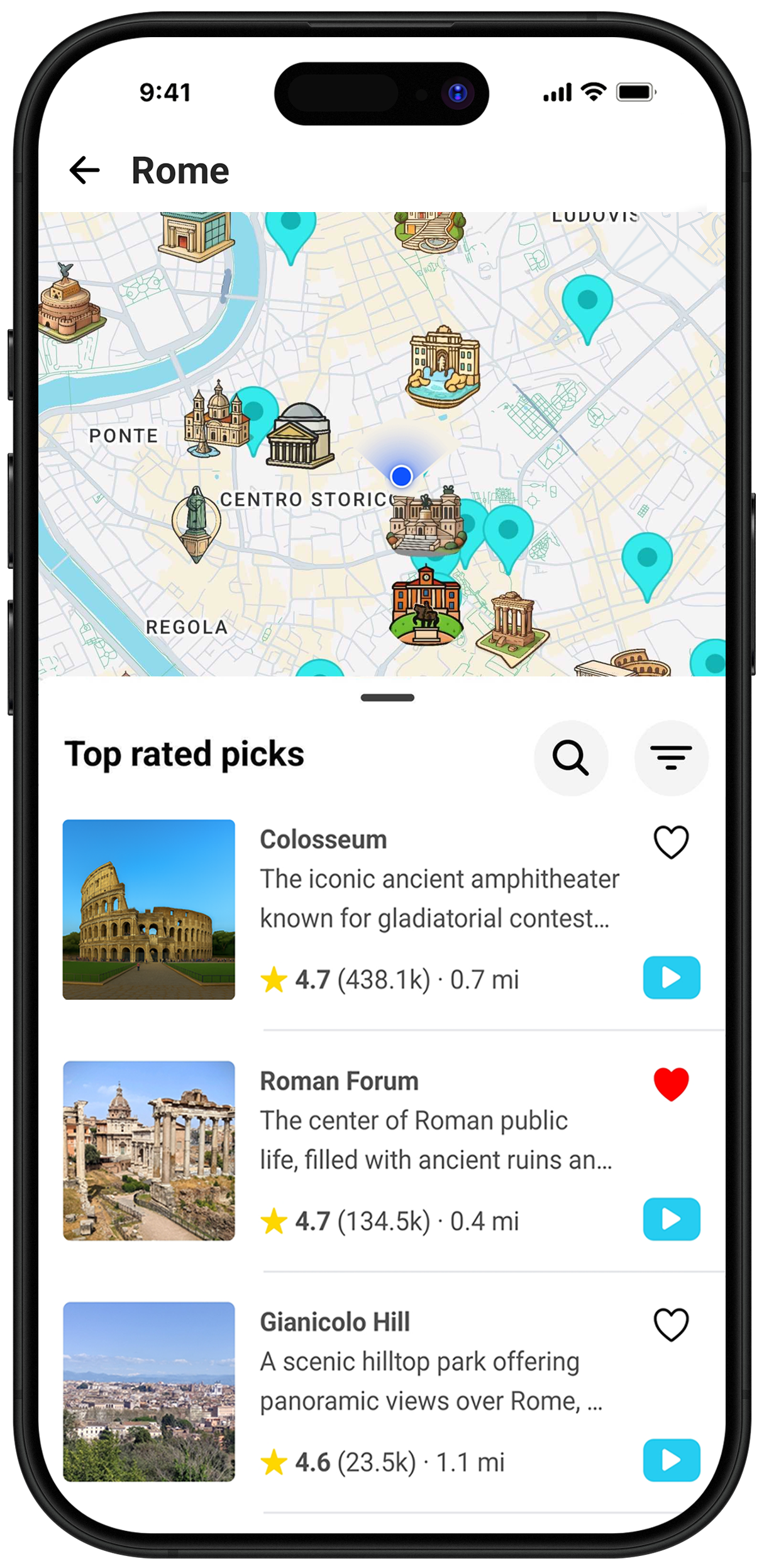
Make the most of your trip with the Travi App
Audio Guides
Professional narrated stories that you can listen to on your own schedule.
Snap & Learn
Point your camera at any monument to instantly identify it and hear its history.
Itineraries
Browse curated day-by-day plans, customize them to fit your style, or build your own from scratch and share with friends.