

2 Days in Kuala Lumpur: Art & Design
2 Days in Kuala Lumpur: Art & Design
Day 1: Materials, Craft & Malaysian Identity
This day introduces Malaysia’s craft traditions through the materials and techniques that shape everyday life. Textiles and metalwork are explored as living systems tied to identity, ritual, and skill transmission rather than souvenir culture.
Requirements for respectful/modest attire apply at temples, mosques, and other religious sites. Visitors should check dress codes before visiting. Avoid visiting during prayer times or other services.
Morning
Start your day at the Bangsar / Brickfields area for Batik-focused studios and textile spaces - Emphasis on batik as storytelling; patterns as regional language, symbolism, and identity rather than decoration.
Continue on to central craft corridors (Brickfields / Old KL zones) for exposure to traditional patterns, hand-process techniques, and material heritage embedded within urban streets rather than isolated institutions.
Afternoon
Visit the Royal Selangor district (Setapak) for pewter craftsmanship and industrial heritage. There is a focus on tool-making, skill lineage, and the evolution of pewter from household utility to contemporary Malaysian design language.
Stop at nearby design galleries or maker spaces; there are contemporary reinterpretations of traditional craft, highlighting how heritage skills adapt to modern aesthetics and markets.
Evening
End the day at the Central Market area (Pasar Seni) for Craft-focused stalls and artisan goods. One can observe how handmade traditions are curated, commercialized, and preserved within a modern retail framework.
Options
For a more active-paced day, combine Batik studios and Royal Selangor into a single full-day loop, or add a short stop at a contemporary design gallery or maker space.
Day 2: Domestic Design, Performance & Living Culture
This day explores how craft traditions extend beyond objects into homes, movement, and performance. Architecture, domestic design, and embodied arts reveal how skills are preserved through daily practice rather than formal display.
Requirements for respectful/modest attire apply at temples, mosques, and other religious sites. Visitors should check dress codes before visiting. Avoid visiting during prayer times or other services.
Morning
Start at the Rumah Penghulu Abu Seman (near KLCC) a traditional Malay wooden house relocated and preserved in the city - Focus on the domestic architecture, timber joinery, ventilation strategies, spatial hierarchy, and ornamentation; craft as lived design rather than exhibit.
Afternoon
Stop by the national cultural or performing arts district (Lake Gardens / Istana Negara zone) for traditional dance, music, or performance spaces. Emphasis here is on embodied skill, rhythm, costume, and oral transmission of cultural knowledge.
If time permits, do a hands-on craft workshop (city-based) either Batik painting, textile work, or basic craft techniques.
Evening
End the day at Perdana Botanical Gardens / Lake Gardens area for a quiet cultural landscape walk; a reflective close that emphasizes calm integration, continuity, and the relationship between craft, environment, and daily life.
Options
For a more active-paced day, combine the traditional house visit with nearby heritage pockets in one loop, and add both a short performance element and a brief hands-on workshop.
In Case Of Bad Weather:
Prioritize Royal Selangor interiors, Central Market, workshops, and cultural centres, or substitute outdoor walks with Islamic Art Museum or heritage house interiors.
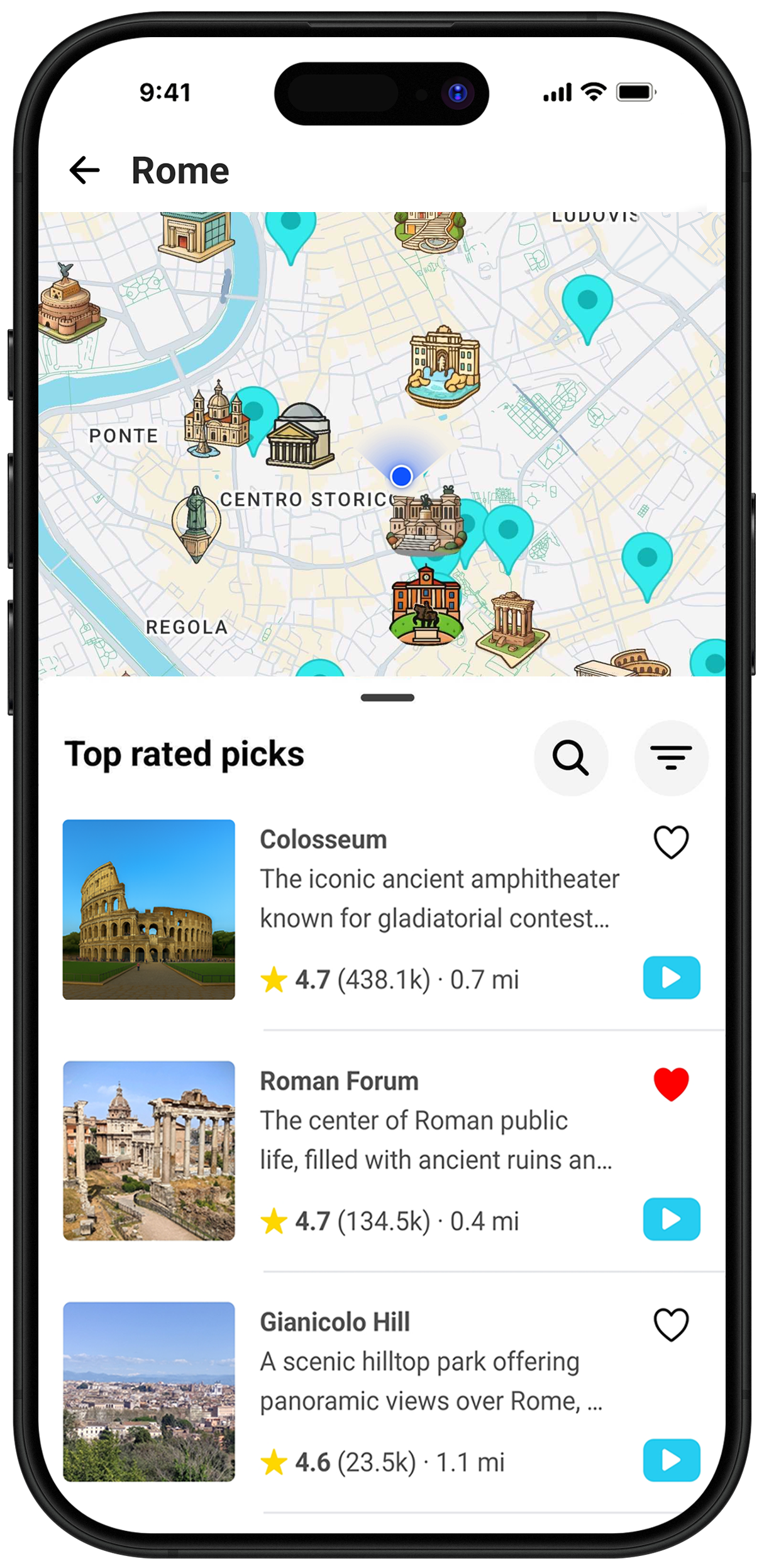
Make the most of your trip with the Travi App
Audio Guides
Professional narrated stories that you can listen to on your own schedule.
Snap & Learn
Point your camera at any monument to instantly identify it and hear its history.
Itineraries
Browse curated day-by-day plans, customize them to fit your style, or build your own from scratch and share with friends.