
2 Days in Krakow: Art and Design
For travelers interested in the arts, handicrafts, artisans, and architecture
2 Days in Krakow: Art and Design
For travelers interested in the arts, handicrafts, artisans, and architecture
Day 1: Medieval Krakow and Kazimierz Atmosphere
Explore Krakow’s medieval streets, historic churches, fine art collections, and the layered architectural character of Kazimierz while discovering how Gothic, Renaissance, Jewish, and Art Nouveau influences shaped the city.
Morning
Begin with a walk from the Kraków Barbican, a well-preserved medieval defensive outpost, and through St. Florian’s Gate, the historic entrance into Krakow Old Town. Continue past the ornate exterior of the Juliusz Słowacki Theatre, a richly decorated 19th-century theater inspired by the Paris Opera (Palais Garnier).
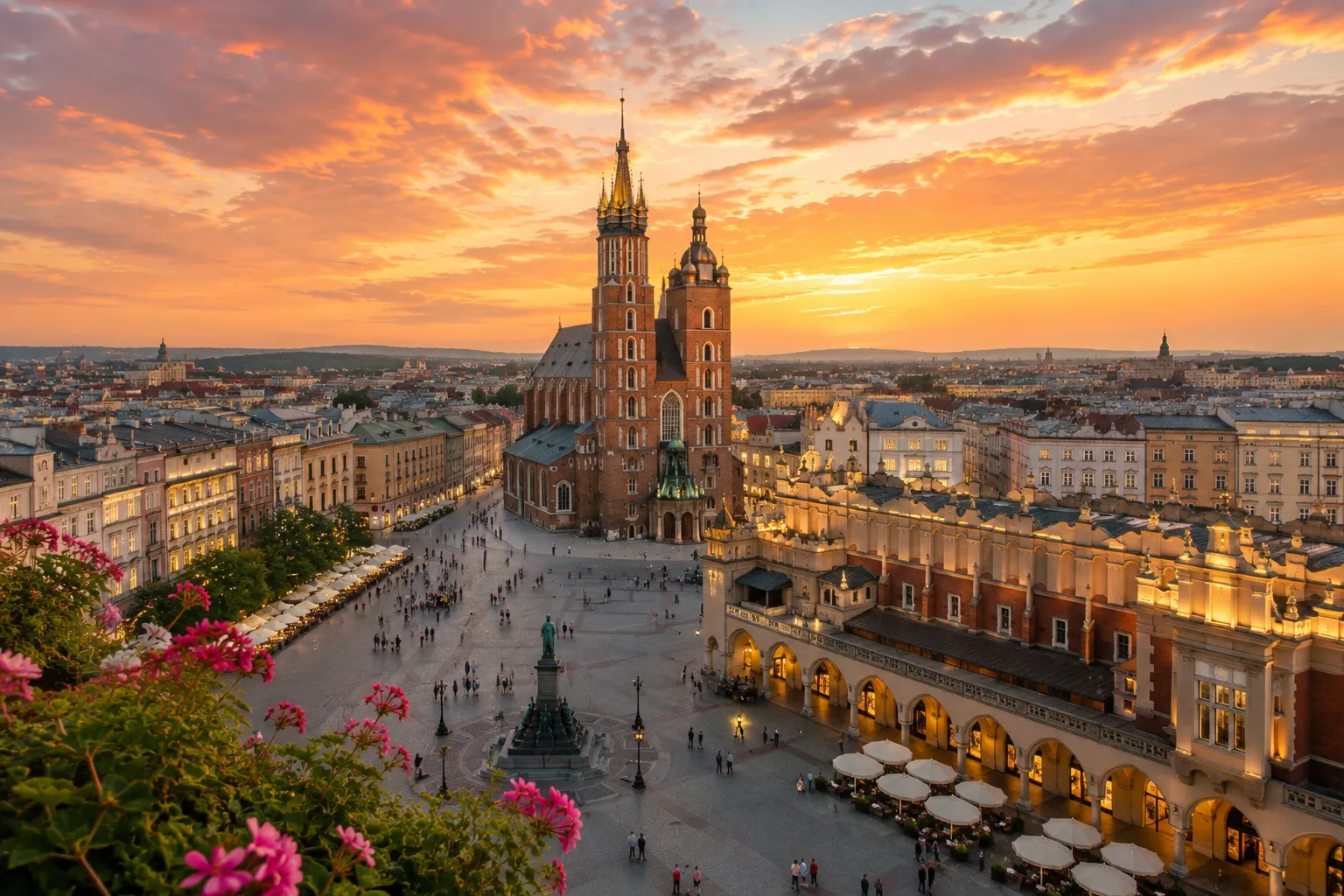
Then walk down Floriańska Street toward the Main Market Square (Rynek Główny), one of the largest medieval market squares in Europe. Spend time observing the square’s architectural layers, including Gothic churches, Renaissance facades, aristocratic townhouses, arcaded courtyards, and neoclassical additions that reflect centuries of urban development.
Visit St. Mary’s Basilica, famous for its Gothic brick architecture, richly decorated interior, and the monumental wooden altarpiece, considered by many to be one of the masterpieces of late Gothic art in Europe. Requirements for respectful/modest attire apply at churches, synagogues, and other religious sites. Visitors should avoid disrupting religious observances and remain mindful of posted customs.
Optional add-on: Explore the Rynek Underground Museum, an archaeological museum beneath the square that uses excavated streets, artifacts, and multimedia exhibits to reveal medieval Krakow beneath the modern city.
Continue through The Cloth Hall (Sukiennice), the Renaissance market building at the center of the square. Downstairs, browse the selections of handicrafts, amber jewelry, and textiles. Upstairs, visit the Gallery of 19th-Century Polish Art, where collections include major works of Polish Romanticism, historical painting, Symbolism, and Realism.
Afternoon
Spend the afternoon at the Czartoryski Museum, home to an aristocratic art collection. Highlights include Leonardo da Vinci’s Lady with an Ermine, along with decorative arts, manuscripts, antiquities, and works reflecting centuries of European collecting traditions.
Late Afternoon/Evening
Head to the Kazimierz District, Krakow’s historic Jewish Quarter, where architecture reflects centuries of Jewish, Polish, Austro-Hungarian, and postwar cultural influences.
Visit the interior of the Tempel Synagogue, known for its richly decorated Moorish Revival design, stained glass, gilded ornamentation, and continued role in Krakow’s Jewish cultural life.
Continue exploring Kazimierz’s streetscape, including historic courtyards, independent galleries, cafés, and the exterior of the Old Synagogue, the oldest surviving synagogue building in Poland. Stop by Plac Nowy, the neighborhood’s central square.
Optional add-on: Attend a live klezmer or jazz performance, both closely associated with the neighborhood’s evening cultural scene.
Day 2: Royal Heritage and Sacred Architecture
Discover Krakow’s royal architecture, religious art, university traditions, and performance culture while exploring some of the city’s most historically significant interiors.
Morning/Early Afternoon
Begin at Wawel Castle, the historic royal residence overlooking the Vistula River and one of Poland’s most important cultural landmarks. Focus on the State Rooms, where Renaissance ceilings, tapestries, royal portraits, and ceremonial interiors reflect the power and artistic ambitions of the Polish monarchy. Also explore the Lost Wawel archaeological display, which presents excavated remains beneath the castle complex and traces the development of Wawel Hill from the medieval period through the Renaissance.
Continue with Wawel Cathedral, traditionally used for royal coronations, funerals, and state ceremonies. The cathedral contains Gothic chapels, Renaissance additions, royal tombs, crypts, and the famous Sigismund Bell.
Requirements for respectful/modest attire apply at churches and religious sites. Visitors should remain mindful of posted customs and avoid disrupting services or observances.
Afternoon
Take a peek at the arcaded Gothic courtyard of Collegium Maius, the oldest surviving building of the Jagiellonian University.
Optional add-on: Visit the muWi Stained Glass Museum, a working studio and museum dedicated to the art of stained-glass design and restoration. Exhibits explore traditional craftsmanship techniques, Art Nouveau influences, and the work of major Polish artists including Stanisław Wyspiański, whose stained-glass designs helped shape Krakow’s Young Poland artistic movement.
Visit the Basilica of St. Francis of Assisi, Kraków, known for its colorful Art Nouveau stained glass windows designed by Stanisław Wyspiański, including the famous “God the Father – Let It Be!” window.
Optional add-on: Proceed to the Saints Peter and Paul Church, a Baroque church recognized for its monumental façade, the row of statues of the apostles lining the fence, and its richly decorated interior.
Head to the St. Andrew's Church, one of Krakow’s oldest surviving Romanesque churches and an example of fortified medieval religious architecture in the city.
Evening
Conclude the evening with a performance at either the Juliusz Słowacki Theatre or the Krakow Philharmonic, both of which play important roles in the city’s cultural life and offer opportunities to experience Krakow’s traditions of theatre, classical music, opera, or orchestral performance.
Options for Bad Weather
In case of bad weather, consider visiting the:
- National Museum in Krakow for Polish art, decorative arts, and temporary exhibitions
- MOCAK Museum of Contemporary Art in Krakow for modern and contemporary art exhibitions
- Manggha Museum of Japanese Art and Technology, known for Japanese art collections, minimalist architecture, and cultural programming
- Muzeum Fotografii w Krakowie – MuFo Rakowicka for photography exhibitions exploring documentary, artistic, and historical themes
Optional Trip Extension
To extend your time in Krakow, consider adding a visit to the Wieliczka Salt Mine, a UNESCO-listed underground complex featuring carved chapels, subterranean lakes, salt sculptures, and vast chambers that showcase centuries of mining history and craftsmanship beneath the town of Wieliczka.
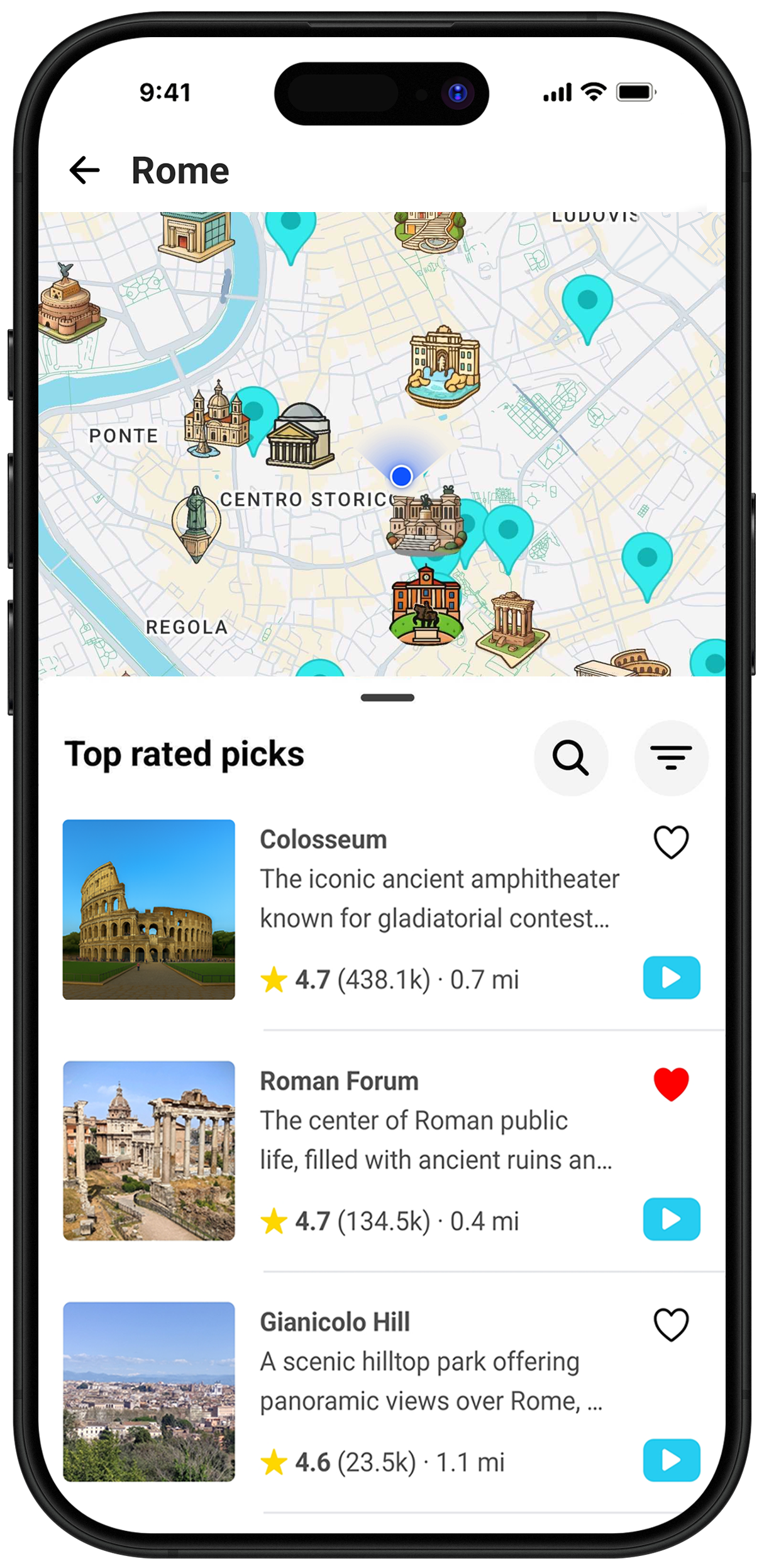
Make the most of your trip with the Travi App
Audio Guides
Professional narrated stories that you can listen to on your own schedule.
Snap & Learn
Point your camera at any monument to instantly identify it and hear its history.
Itineraries
Browse curated day-by-day plans, customize them to fit your style, or build your own from scratch and share with friends.