

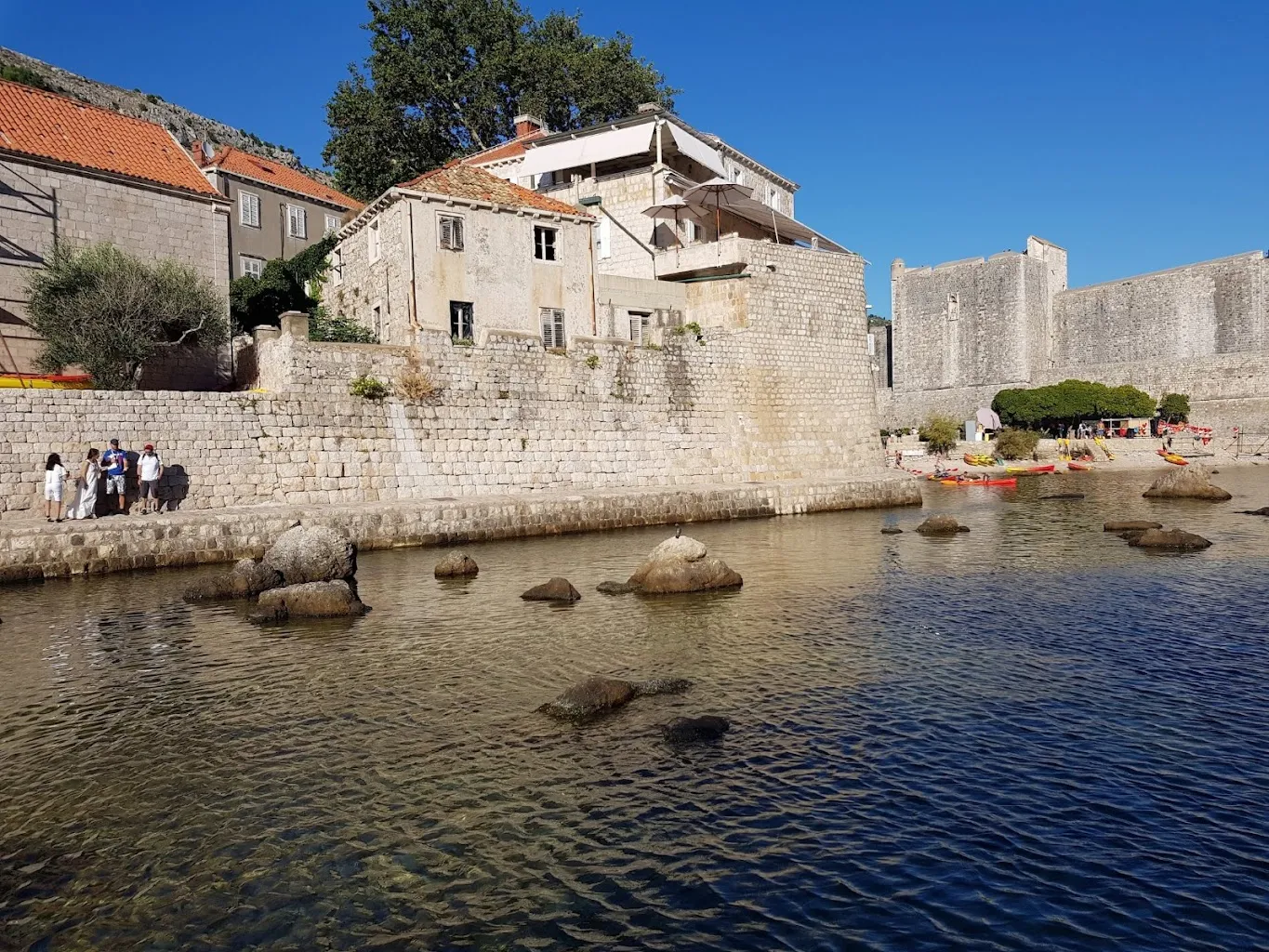
3 Days in Dubrovnik: Flavors and Markets
For travelers interested in local cuisine and shopping
3 Days in Dubrovnik: Flavors and Markets
For travelers interested in local cuisine and shopping
Day 1: Market Flavors and Historic Delicacies
Experience Dubrovnik through its traditional markets, family-run specialty shops, and centuries-old culinary traditions while discovering the flavors that have shaped the Republic of Ragusa for generations.
Morning
Begin the day with a cappuccino and fresh pastry at one of the cafés along the Stradun before the city fills with visitors.
Optional add-on: Take a taxi or bus to make an early morning visit to Gruž Market where local fishermen deliver the morning's catch and restaurants source fresh Adriatic fish, squid, octopus, and shellfish. The market also has an open-air produce section.
Continue to Gundulić Square Market, where local producers sell olive oil, lavender, honey, dried figs, candied citrus peel, herbs, fruit brandies, and seasonal produce.
Browse some of Dubrovnik's finest gourmet shops and artisan boutiques. Stop at UJE Oil Shop, Oleoteka, Od puča, to sample award-winning extra-virgin olive oils alongside truffle products, vinegars, gourmet salts, and preserves.
Nearby, visit Dubrovačka Kuća - Dubrovnik House, located within St. Dominic's Tower, where locally produced wines, sweets, chocolates, liqueurs, and artisan food products share space with Croatian artwork and handcrafted gifts.
Browse the handmade, organic skin care products made with locally sourced ingredients at House of Nature Dubrovnik such as olive oil-based creams, facial serums, and body lotions.
Spend the remainder of the morning exploring the smaller lanes branching off the Stradun, where artisan shops offer handmade jewelry inspired by Dubrovnik's medieval heritage, Croatian neckties (the original cravat), embroidered linens, locally produced cosmetics, ceramics, and Dalmatian wines.
Afternoon
Enjoy lunch in the Old Port Dubrovnik. Classic Dalmatian seafood specialties to look for include:
- crni rižot (black risotto made with cuttlefish/squid ink)
- riba na žaru (grilled Adriatic fish)
- salata od hobotnice (octopus, potato, and red onion salad)
- mussels na buzaru (mussels cooked with garlic, white wine, and herbs)
After lunch, continue exploring specialty food shops featuring Croatian wines, artisan chocolates, fig jams, truffle products, sea salt, preserves, and regional delicacies. Sample traditional sweets including arancini (candied orange peel), mantala (a dense grape-must confection), and kotonjata (quince jelly).
Evening
Before dinner, enjoy a glass of Croatian wine. D'Vino Wine Bar Dubrovnik, is one of Dubrovnik's best-known wine bars, offering more than sixty Croatian wines by the glass along with cheese and charcuterie boards.
Finish the evening with dinner in the Old Town, looking for regional specialties such as:
- kopun (slow-roasted capon, often in a sour orange and honey sauce)
- pašticada (slow-braised beef in a wine-and-prune sauce)
- šporki makaruli (cinnamon beef and pasta dish)
- brodet (fish, shellfish, olives, capers, tomato-wine sauce over polenta)
If you are interested in sampling kopun, consider Restaurant Kopun, which is known for its different preparations of kopun.
End the evening with Dubrovnik's signature dessert, rožata (custard flavored with rose liqueur). Gradska Kavana Arsenal Restaurant, a historic waterfront café, is a good place to have coffee and rožata while overlooking the harbor.
Day 2: Pelješac Peninsula Vineyards and Oyster Traditions
Journey through the Pelješac Peninsula to discover medieval salt production, world-renowned oysters, and some of Croatia's finest wineries overlooking the Adriatic.
Morning
Travel north to the Pelješac Peninsula, Croatia's premier wine-producing region. Begin in Ston, home to one of Europe's oldest operating salt works and the famous medieval defensive walls.
Visit the historic Solana Ston Ltd., also known as the Ston Salt Works, where traditional sea salt has been harvested for centuries, and browse the on-site shop for artisan sea salt, gourmet seasonings, and locally produced specialties. Continue to nearby Mali Ston, internationally celebrated for its oyster farms, where shellfish have been cultivated since Roman times.
Optional add-on: Take an oyster farm and mussels tour, such as those offered by Mali Ston Oysters, to learn about techniques related to cultivating and harvesting and for fresh tastings.
Afternoon
Enjoy a leisurely waterfront seafood lunch. Options include Bota Šare Mali Ston Restaurant & Oyster Bar, which is considered of the area's signature restaurants for oysters, mussels, and classic Dalmatian seafood, and Kapetanova Kuća, another long-established favorite overlooking the bay, renowned for exceptionally fresh shellfish and local fish specialties.
After lunch, visit some of the peninsula's most respected wineries. Options include Matuško Winery, famous for its extensive underground cellar and powerful Dingač red wines and Grgić Winery, founded by a Napa Valley winemaker to produce acclaimed Plavac Mali and Pošip wines that combine Croatian tradition with international winemaking expertise.
On the return journey, stop at roadside producers selling dried figs, almonds, olive oil, lavender, honey, and homemade fruit preserves.
Evening
Return to Dubrovnik and consider having a wine-focused dinner featuring Croatian cheeses, cured meats, and local wines.
Day 3: Countryside Kitchens and Konavle Valley Traditions
Slow down in the Konavle Valley by harvesting fresh ingredients, preparing traditional Dalmatian recipes, and experiencing the authentic rural hospitality that has sustained southern Croatia for generations.
Morning
Travel into the scenic Konavle Valley, where vineyards, olive groves, orchards, and family farms preserve centuries-old agricultural traditions. Spend the morning at a traditional family estate participating in a farmhouse cooking class.
Depending on the season, harvest vegetables, herbs, and other fresh ingredients directly from the garden before learning to prepare authentic Konavle recipes alongside your hosts. Making peka (a traditional meat and vegetable dish cooked under an iron dome over a wood fire) is often included.
Some options include Kameni Dvori Garden to Table Cooking Class where you might knead traditional bread, tour the family garden to pick fresh ingredients, and enjoy a multi-course meal featuring peka, and Kameni Mlin (Stone Mill) - Agrotourism Konavle, known for its authentic farm-to-table dining and presentations showcasing traditional olive oil, wine, and brandy production.
Afternoon
Enjoy a leisurely farm-to-table lunch featuring the dishes prepared during the class, accompanied by locally produced wines, cheeses, seasonal vegetables, and homemade desserts.
After lunch, browse the estate's shop for olive oils, wines, fruit preserves, honey, herbal teas, rakija, dried figs, and other products made on the property.
On the return journey, stop in Čilipi or another Konavle village to browse workshops specializing in the region's famous hand embroidery, lacework, traditional textiles, handmade ceramics, and locally crafted souvenirs.
Late Afternoon/Evening
Finish the day in Cavtat, browsing boutiques featuring Croatian jewelry, artwork, artisan ceramics, lavender products, and locally designed fashion before enjoying a waterfront seafood dinner.
Make the most of your trip with the Travi App
Audio Guides
Professional narrated stories that you can listen to on your own schedule.
Snap & Learn
Point your camera at any monument to instantly identify it and hear its history.
Itineraries
Browse curated day-by-day plans, customize them to fit your style, or build your own from scratch and share with friends.