
3 Days in Dubai: Design & Architecture
For travellers focused on skyline design, contemporary architecture, immersive museums, luxury hotels, and curated creative spaces across Dubai
3 Days in Dubai: Design & Architecture
For travellers focused on skyline design, contemporary architecture, immersive museums, luxury hotels, and curated creative spaces across Dubai
Day 1
Morning
Morning
Begin in Downtown Dubai, where the city's most recognizable architectural statements define the skyline.
Start at the Burj Khalifa, not just as an observation point but as a study in vertical engineering and proportion. The tower anchors the entire district visually and structurally.
Walk through the surrounding urban layout:
- Burj Park's open architectural framing
- Reflective water features around the lake
- Geometric pedestrian design connecting towers and retail zones
This area is essentially a designed composition of height, reflection, and controlled perspective.
Afternoon
Move into Dubai Mall, which functions as a hybrid of retail, interior design, and curated spatial experience.
Focus on its design elements:
- The indoor waterfall atrium
- Sculptural retail corridors
- Immersive Dubai Aquarium & Underwater Zoo tunnel architecture
- Luxury fashion districts with gallery-like layouts
Lunch ideas:
- Contemporary Middle Eastern fine dining
- International design-forward restaurants
- Japanese and fusion tasting menus
- Minimalist café concepts with open interiors
- Fresh juices and artisanal desserts
Spend the afternoon observing how retail, leisure, and architecture are merged into a single interior ecosystem.
Evening
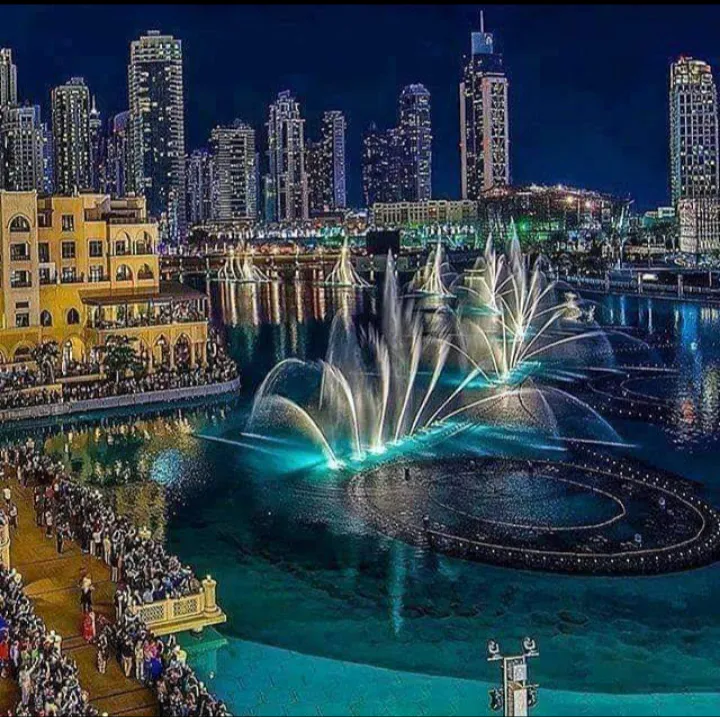
Return outside for the Dubai Fountain precinct, where lighting design and spatial choreography transform the area at night.
The skyline becomes part of a larger composition of motion, water, and reflection.
Dinner ideas:
- Fine dining with Burj Khalifa views
- Modern Emirati cuisine reinterpretations
- Luxury hotel restaurants (Address, Armani Hotel)
- Contemporary Mediterranean tasting menus
- Desserts with architectural presentation styling
Day 2
Morning
Begin in Al Fahidi Historical Neighbourhood, where traditional Emirati architecture is preserved through wind towers, coral stone walls, and courtyard planning.
This is Dubai's architectural origin layer:
- Passive cooling systems (wind towers)
- Inward-facing courtyard homes
- Narrow shaded pedestrian lanes
- Restored cultural houses adapted into galleries
Key stops:
- Cultural houses and small museums
- Art galleries in restored residences
- Coffee Museum and Coin Museum as design storytelling spaces
Afternoon
Walk toward Dubai Creek, where historic trade architecture meets water-based urban structure.
Take an abra ride, observing the spatial relationship between old districts and active waterways.
Cross into souk architecture zones:
- Gold Souk covered linear corridors
- Spice Souk sensory market design
- Textile alleyways with repetitive structural rhythm
Continue to Al Seef, where heritage architecture is reinterpreted as a curated waterfront district.
Here, design becomes reconstruction rather than preservation:
- Stylized wind towers
- Modern materials shaped into historic forms
- Retail and dining integrated into heritage aesthetics
Lunch ideas:
- Emirati machboos in heritage-style interiors
- Persian and Arabic grilled dishes
- Mezze platters in courtyard-style restaurants
- Saffron rice and slow-cooked meats
- Karak tea cafés with traditional styling
Evening
Stay in Al Seef or nearby creekside venues.
Dinner ideas:
- Modern Emirati fusion restaurants
- Grilled hammour with minimalist plating
- Contemporary Arabic tasting menus
- Desserts inspired by traditional Gulf sweets
- Arabic coffee and date-based desserts
Evening highlights how Dubai reinterprets its architectural past for modern consumption.
Day 3
Morning
Begin at the Museum of the Future, one of Dubai's most iconic contemporary architectural structures.
The building itself is the exhibit:
- Calligraphic façade design
- Torus-shaped structural engineering
- Immersive interior exhibitions focused on future systems
Continue toward Dubai Frame, where architectural symbolism defines the experience:
- Framing old vs new Dubai
- Vertical circulation as narrative
- Panoramic observation as storytelling device
Afternoon
Move into Dubai Design District (d3), the creative core of the city.
This area is defined by:
- Galleries and creative studios
- Experimental retail concepts
- Pop-up exhibitions and installations
- Minimalist industrial architecture
It represents Dubai's attempt at a formal design ecosystem rather than isolated landmarks.
Lunch ideas:
- Boutique cafés with Scandinavian-Middle Eastern fusion design
- Minimalist fine dining concepts
- Art café spaces with rotating exhibitions
- Organic and health-focused menus
- Specialty coffee and cold brews
Evening
Finish at Palm Jumeirah or Dubai Marina luxury hotels, where hospitality architecture becomes the final design layer.
Options:
- Atlantis The Royal (avant-garde luxury design)
- One&Only The Palm (resort minimalism)
- Address Sky View (skyline framing architecture)
Dinner ideas:
- Michelin-level contemporary tasting menus
- Japanese-Peruvian fusion fine dining
- Modern Levantine cuisine reinterpretations
- Rooftop dining with skyline framing
- Dessert courses with sculptural plating
The evening focuses on Dubai as experiential luxury design rather than sightseeing.
Optional Extensions (If Expanding to 4 Days)
- Jumeirah Mosque (Islamic architectural design study)
- Dubai Opera (contemporary cultural architecture)
- Alserkal Avenue (alternative art district, industrial reuse)
- Expo City Dubai (masterplanned future urban design concepts)
Make the most of your trip with the Travi App
Audio Guides
Professional narrated stories that you can listen to on your own schedule.
Snap & Learn
Point your camera at any monument to instantly identify it and hear its history.
Itineraries
Browse curated day-by-day plans, customize them to fit your style, or build your own from scratch and share with friends.