
3 Days in Copenhagen: History and Memory
For travelers seeking an in-depth exploration of the history of the city
3 Days in Copenhagen: History and Memory
For travelers seeking an in-depth exploration of the history of the city
Day 1: Political Power and Wartime Memory
Explore Copenhagen’s political institutions, wartime history, and Jewish heritage while walking through historic districts shaped by monarchy, trade, occupation, and postwar memory.
Morning
Begin at Christiansborg Palace, home of the Danish Parliament and royal reception spaces, featuring grand exterior architecture and reflecting centuries of Danish political and royal history. Make time to explore the palace ruins and climb the tower for panoramic views across Copenhagen.
Pass by the exterior of Børsen, Copenhagen’s historic stock exchange building known for its distinctive dragon-spire tower. Parts of the structure continue to undergo restoration following a major fire.
Afternoon
Continue to the The Royal Danish Arsenal Museum, or the Danish War Museum, whose collections explore Danish military history from the Renaissance through World War II and modern international missions. Exhibits include uniforms, weapons, resistance-era artifacts, and displays examining Denmark’s wartime experiences and changing role in Europe.
Then visit The Danish Jewish Museum, which examines centuries of Jewish life in Denmark, including the 1943 rescue of Danish Jews during the Nazi occupation.
Optional add-on: Stop at The Black Diamond, the extension of the Royal Danish Library known for its angular black granite facade, and harbor views, exhibitions.
Evening
Pass by the exterior of the Københavns Synagoge, the main synagogue of the Danish Jewish community, which is connected to both current Jewish religious life and the events of World War II. Respectful behavior and awareness of security measures are expected around active religious institutions.
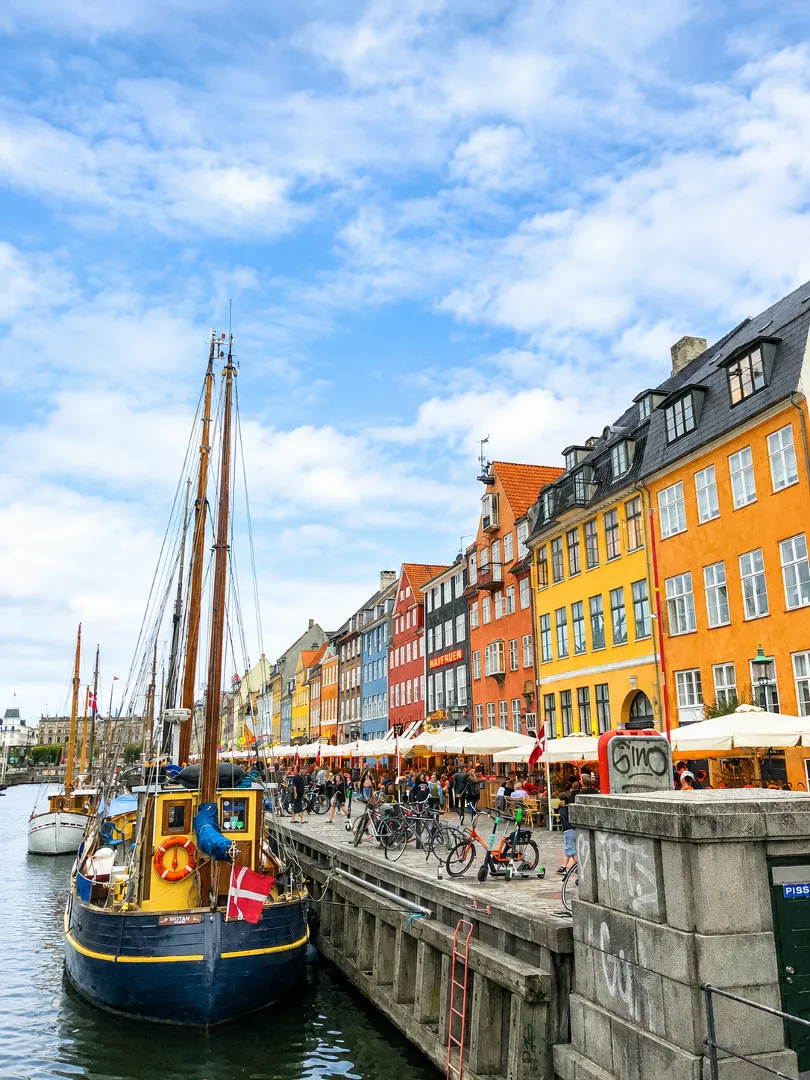
Continue through Kongens Nytorv, a grand public square surrounded by historic buildings, theatres, and elegant facades before arriving at Nyhavn, Copenhagen’s colorful waterfront canal district lined with historic wooden ships, restaurants, and brightly painted townhouses.
Optional add-on: Take an evening canal cruise to view Copenhagen’s harbor districts, bridges, royal landmarks, and modern waterfront architecture from the water.
Day 2: Resistance History and Royal Traditions
Learn about Denmark’s experience during World War II while exploring military sites, royal districts, and memorial spaces connected to occupation, resistance, and national identity.
Morning
Begin at the Museum of Danish Resistance, which examines daily life during the Nazi occupation of Denmark from 1940 to 1945. Through immersive exhibits, personal testimonies, underground resistance stories, and artifacts from the occupation period, the museum explores censorship, sabotage, rescue operations, and the moral complexities of wartime Denmark.
Continue to Kastellet, a star-shaped fortresses where you can walk along the defensive ramparts, historic barracks, and harbor-facing pathways while learning about Copenhagen’s military history and strategic coastal defenses.
Optional add-on: Pass through Nyboder, the historic yellow row-house district originally constructed in the 17th century as naval housing. Continue past Amalienborg, the official residence complex of the Danish royal family, known for its symmetrical Rococo architecture and ceremonial square.
Afternoon
Spend the afternoon at Rosenborg Castle, a Renaissance castle originally built by King Christian IV and now home to the Danish crown jewels, royal regalia, and historic interiors. Afterwards, spend time in The King's Garden, Copenhagen’s oldest royal garden, known for its lawns, flowerbeds, sculptures, and relaxed atmosphere.
Evening
Begin an evening stroll in Churchillparken, a waterfront park named in honor of Winston Churchill and associated with memorials connected to Denmark’s wartime experience. Continue walking along the harbor promenade toward The Little Mermaid, the iconic statue inspired by Hans Christian Andersen’s fairy tale.
Day 3: National Identity and Urban Culture
Explore museums, historic cemeteries, and canal districts while examining the social, intellectual, and cultural forces that shaped modern Copenhagen.
Consider renting a bike for Day 3 to comfortably travel between neighborhoods such as Nørrebro and Christianshavn, while also experiencing Copenhagen’s cycling culture firsthand. The city’s extensive bike lanes and bridges make cycling one of the easiest ways to explore different districts efficiently.
Morning
Spend the morning at the National Museum of Denmark, where extensive collections explore Viking history, medieval Denmark, archaeology, ethnography, royal artifacts, and the development of Danish society from prehistoric times through the modern era.
Afternoon
Visit Assistens Cemetery, a historic cemetery where notable Danes including Hans Christian Andersen and Søren Kierkegaard are buried. Today, the cemetery also functions as a peaceful public park reflecting Copenhagen’s integration of green space into urban life.
Continue exploring Christianshavn, a canal-side neighborhood known for houseboats, historic warehouses, narrow streets, and a maritime atmosphere influenced by Dutch urban planning.
Optional add-on: Explore Freetown Christiania, Copenhagen’s autonomous community known for street art, alternative lifestyles, music venues, cafés, and its distinctive social history. Visitors should remain respectful of local rules and photography restrictions in certain areas.
Evening
Climb the spiral tower of Church of Our Saviour near sunset for panoramic views across Copenhagen’s rooftops, canals, and harbor districts. The external staircase winding around the church spire becomes very narrow and closes if the weather is bad.
Options for Bad Weather
In case of bad weather, visit the Home of Carlsberg for exhibits exploring brewing history, industrial heritage, advertising, architecture, and the cultural significance of Carlsberg beer within Danish society.
Optional Trip Extensions
To extend your time in Copenhagen, visit Kronborg Castle, the UNESCO-listed Renaissance fortress famously associated with Shakespeare’s Hamlet. Explore the grand halls, royal chambers, defensive fortifications, and underground casemates while learning about Denmark’s maritime and royal history.
Another option is to explore Roskilde Cathedral, the burial site of many Danish monarchs and a UNESCO World Heritage Site known for its Gothic brick architecture and royal tombs. Pair this visit with the Viking Ship Museum, where reconstructed Viking vessels and maritime exhibits examine Denmark’s seafaring history and Viking-era trade networks.
Requirements for respectful/modest attire apply at churches, synagogues, and other religious sites. Visitors should avoid disrupting religious observances and remain mindful of posted customs.
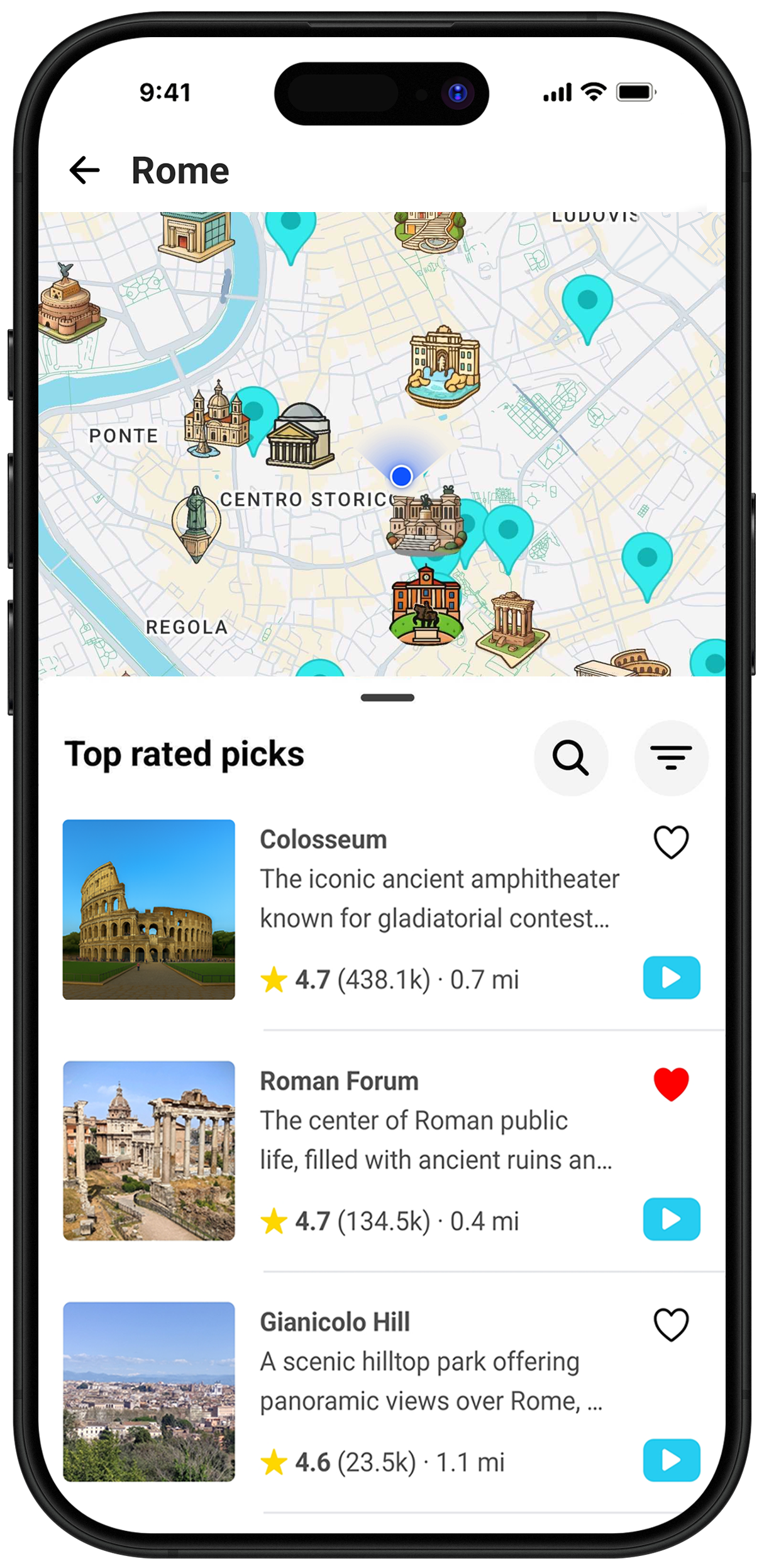
Make the most of your trip with the Travi App
Audio Guides
Professional narrated stories that you can listen to on your own schedule.
Snap & Learn
Point your camera at any monument to instantly identify it and hear its history.
Itineraries
Browse curated day-by-day plans, customize them to fit your style, or build your own from scratch and share with friends.