
3 Days in Amsterdam: Flavors & Markets
For travelers interested in local cuisine and shopping
3 Days in Amsterdam: Flavors & Markets
For travelers interested in local cuisine and shopping
Day 1
A grounding day focused on traditional Dutch food and informal eating culture. The route moves through historic neighborhoods and markets, introducing core flavors and formats. It balances sit-down staples with casual, local food experiences.
Morning
In the morning, begin with a simple Dutch breakfast in Jordaan or the historic center, where cafés reflect everyday local routines. Try items like:
- Broodjes (sandwiches)
- Cheese & Butter
- Coffee All served in an unpretentious setting.
Afternoon
Move to De Pijp and explore Albert Cuyp Market, the most iconic street food hub in the city. This is the core tasting segment of the day, where multiple Dutch staples can be sampled in one place.
Key items to try:
- Stroopwafel (fresh, warm syrup waffle)
- Haring (raw herring with onions and pickles)
- Kibbeling (fried fish bites with sauce)
Continue with lighter bites or café stops, where you can sample bitterballen (crispy meat croquettes) or Dutch fries with mayonnaise.
Optional:
- Cheese tasting experience (Dutch cheeses like Gouda, Edam)
- Canal-side café stop
- A guided food tour through Jordaan
- Additional dessert stop (poffertjes - mini pancakes)
Evening
In the evening, return toward Jordaan or the canal belt for a more complete Dutch meal. Look for traditional dishes like:
- Stampot (mashed potatoes with vegetables)
- Erwtensoep (split pea soup)
Day 2
A shift into Amsterdam’s multicultural and modern food identity. The city’s diversity becomes most visible through its food, with Indonesian, Surinamese, and international influences shaping the dining scene. The day ends with a more refined, contemporary experience.
Morning
Start the morning in Oud-West or De Pijp with a more modern café experience, where brunch culture reflects international influence. Expect elevated versions of breakfast with global flavors and specialty coffee.
This marks a transition from traditional Dutch simplicity to contemporary dining culture.
Afternoon
Center the day around rijsttafel, a multi-dish Indonesian meal that reflects the Netherlands’ colonial history.
Expect a variety of small plates including:
- Satay (grilled skewers)
- Rendang (slow-cooked beef)
- Spiced vegetables and rice
Move to Foodhallen, an indoor food market featuring curated global vendors. This creates contrast with Albert Cuyp by offering a more modern, design-forward food environment.
Sample smaller bites across cuisines, reinforcing Amsterdam’s global identity.
Optional:
- Natural wine bar or cocktail pairing
- Dessert-focused stop
Evening
End the evening with a refined dining experience where Dutch ingredients are reinterpreted in modern formats. Menus often focus on seasonality, presentation, and technique rather than tradition.
Optional:
- Fine dining tasting menu
- Canal-side dinner reservation
Day 3
A slower, exploratory day focused on Amsterdam’s independent food scene, where what you eat is directly tied to where you are. Each neighborhood introduces a different layer of the city’s modern culinary identity; craft, experimentation, and local-driven concepts. The emphasis is on quality, niche specialties, and emerging trends, rather than classic must-tries.
Morning
Start the morning in Oud-West or Jordaan, where the city’s best bakeries and cafés define the morning rhythm. These spaces prioritize technique, ingredients, and presentation, reflecting Amsterdam’s modern food sensibility.
What to try:
- Sourdough bread with cultured butter — simple but highlights quality ingredients
- Croissants / laminated pastries — often on par with top European standards
- Cardamom buns — Nordic influence, very common in Amsterdam cafés
- Specialty coffee (flat white / filter) — locally roasted, precision-focused
Afternoon
Move to Noord, where industrial spaces house more experimental and concept-driven food venues. The setting allows for larger formats, open kitchens, and hybrid dining experiences.
What to try:
- Wood-fired pizzas / modern European small plates — common in repurposed warehouse restaurants
- Fermentation-based dishes — pickled vegetables, house-made sauces
- Natural wines — low-intervention wines frequently featured in this area
- Plant-forward or seasonal plates — reflecting current culinary trends
- Craft beer flights — local breweries with rotating taps
- Artisanal ice cream (gelato-style or experimental flavors)
- Chocolate / specialty sweets — small-batch producers
- Savory snacks (gourmet sandwiches, bao, or fusion street food)
Evening
End in Oost or Oud-West, where dining is balanced, high quality but less performative than central fine dining. Restaurants here reflect how locals actually eat on a regular basis.
What to try:
- Seasonal small plates (vegetable-forward, shareable dishes)
- Modern Dutch cuisine - updated takes on local ingredients
- Seafood-focused dishes - lighter, ingredient-driven preparation
- Natural wine or curated wine pairings
Optional (Food-Specific Enhancements)
- Dessert crawl:
- Stroopwafel reinterpretations
- High-end patisserie items
- Coffee route: Visit 2–3 specialty cafés to compare roasting styles
In Case of Bad Weather
Day 1:
- Prioritize indoor food halls and cafés
- Reduce market time, shift to seated tastings
Day 2:
- Foodhallen becomes primary afternoon anchor
- Prioritize indoor dining experiences
Day 3:
- Focus on indoor cafés, bakeries, and breweries
- Replace walking exploration with clustered indoor stops
- Use food halls or larger venues as anchors
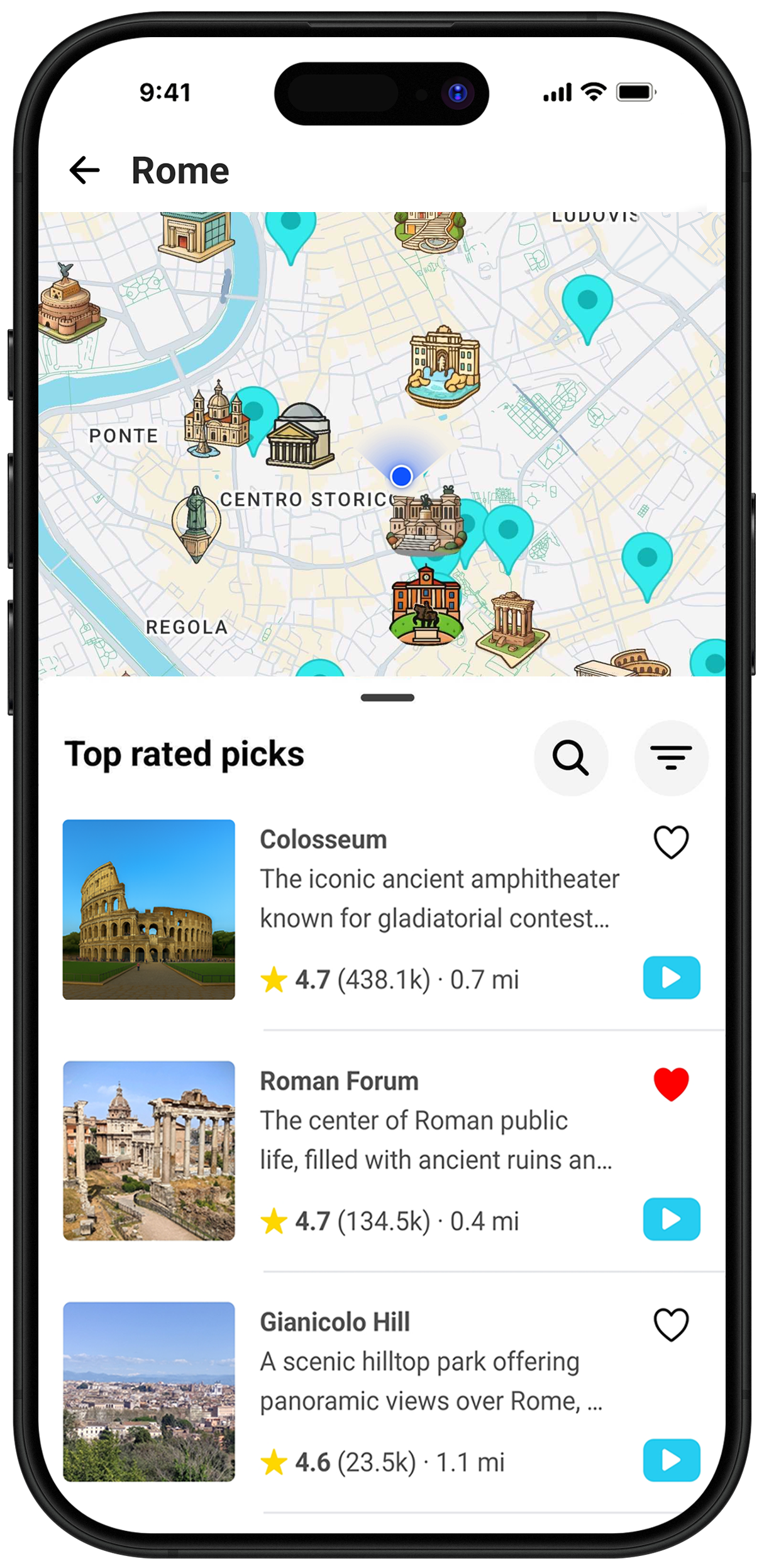
Make the most of your trip with the Travi App
Audio Guides
Professional narrated stories that you can listen to on your own schedule.
Snap & Learn
Point your camera at any monument to instantly identify it and hear its history.
Itineraries
Browse curated day-by-day plans, customize them to fit your style, or build your own from scratch and share with friends.